Mid-Year Review: Legal Developments Impacting New York Employers
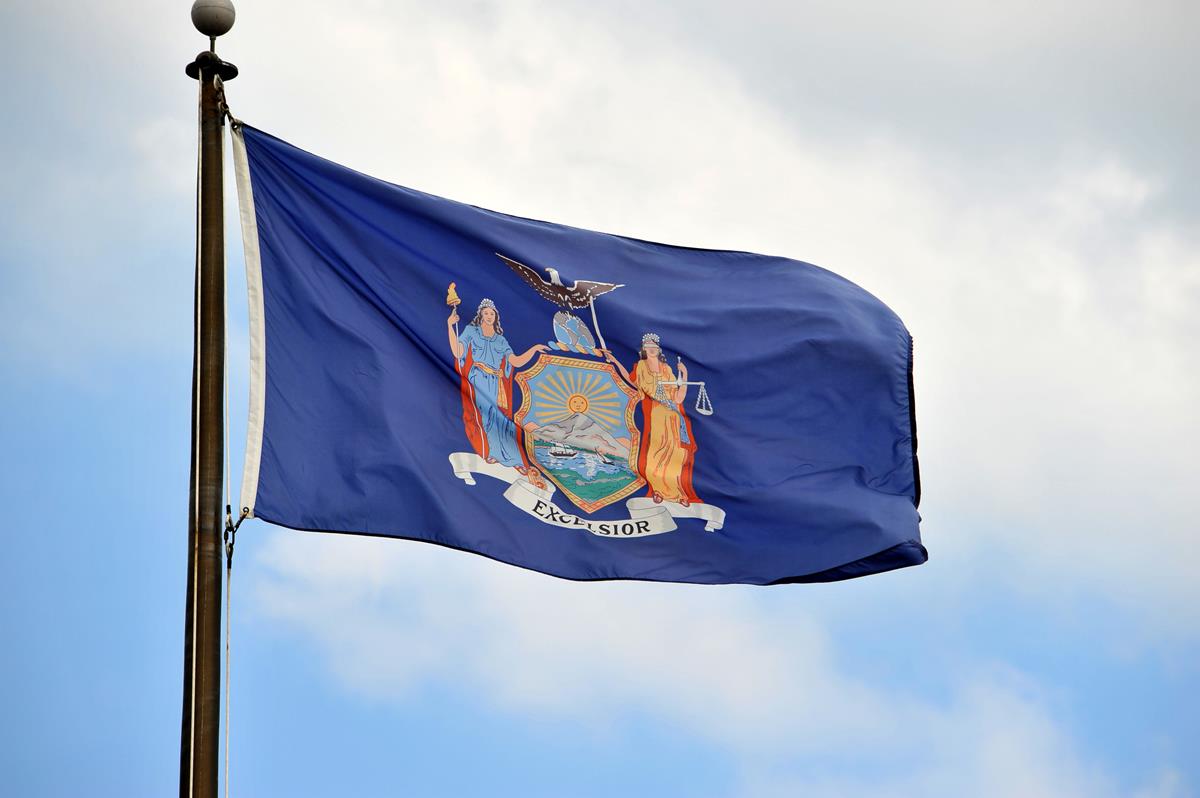
New York, N.Y. (July 24, 2025) - As previously reported, 2024 brought many employment law developments to employers operating in New York and New York City. Thus far, 2025 appears to be no different. To help employers keep pace with these changes, we summarize some of the key legal developments that have taken effect in the first two quarters of 2025.
Paid Prenatal Leave: On June 3, 2025, the New York City Earned Safe and Sick Time Act (ESSTA) rules were amended to include new paid prenatal leave provisions that largely align with the statewide paid prenatal leave law that became effective on January 1, 2025. Under the state law, private-sector employers (of any size) are required to provide employees working in New York State with up to 20 hours of paid prenatal leave within a 52-week period for health care services related to an employee’s pregnancy (including fertility treatment or care appointments). There is no waiting period or accrual for this leave benefit. All 20 hours of paid prenatal leave are available on the date the employee first begins using leave. Paid prenatal leave is a separate leave right from, and must be provided in addition to, New York State sick leave and NYC sick and safe leave (paid or unpaid).
The amended NYC ESSTA rules took effect on July 2, 2025, and place new notice and recordkeeping requirements on employers that are not included in the state paid prenatal leave law. Accordingly, employers with NYC employees must: (i) adopt written policies (with certain content requirements); (ii) distribute an updated Notice of Employee Rights; and (iii) inform employees of their leave balance and usage each pay period. Please see our NYC Paid Prenatal Leave Client Alert for more information on the amended rules.
Lactation Accommodation Policies: New York State requires employers to provide employees with written notice of their lactation accommodation rights at the commencement of employment, annually, and when an employee returns to work following the birth of a child. NYC also requires employers to have written lactation accommodation policies and distribute them to employees upon hire. Beginning May 8, 2025, NYC employers also must conspicuously post their written policies at their place of business and electronically on the employer's intranet, if one exists. As a reminder, New York State already requires mandatory federal and state workplace posters to be made available to employees electronically.
Manual Worker Pay Frequency Damages Amendment: New York requires employers to pay manual workers on a weekly basis. In 2019, a New York court ruled employees could pursue a private right of action against employers that paid manual workers on a bi-weekly or semi-monthly basis – even if the employee was properly paid all wages due on the incorrect pay frequency schedule. This led to a flurry of litigation as plaintiffs were able to seek liquidated damages equal to 100 percent of the late-paid wages, plus statutory interest and attorney's fees. As the awarded damages were often disproportionate to the technical pay frequency violation, the business community sought relief from the legislature. The resulting legislation became effective May 9, 2025, and limits liquidated damages for first-time pay frequency violations where the employee was paid for all wages on a semi-monthly or faster schedule. In such event, liquidated damages are now limited to no more than 100% of the lost interest on the delayed wages (not the late wages themselves). Repeat offenders remain subject to stiffer penalties. Employers with a final unappealed order for the same violation for employees performing the same work must pay liquidated damages in the amount of 100% of the total amount of late wages due, plus interest and attorney's fees for any subsequent violation.
New York Warehouse Worker Injury Reduction Program: The New York Warehouse Worker Protection Act (WWPA) applies to all employers that directly or indirectly employ at least 100 employees at a single warehouse distribution center or at least 1,000 employees at one or more warehouse distribution centers in New York. Effective June 1, 2025, amendments to the WWPA require covered employers to establish and implement an Injury Reduction Program (IRP) that identifies and minimizes the risk of work-related musculoskeletal disorders to workers who perform manual tasks handling materials in the workplace (e.g., lifting, lowering, pushing, pulling carrying, holding or restraining objects). Training and staffing requirements took effect February 19, 2025, and initial worksite evaluations that identify and assess ergonomic risk factors were to be completed by June 19, 2025. Worksite evaluations must be reviewed and updated annually. Covered employers also must update ergonomic risk factors within 30 days of the creation or change in a job, process, or operation that may increase risk factors associated with work-related musculoskeletal disorders.
Retail Employer Workplace Violence Prevention Program: Effective June 2, 2025, the New York Retail Worker Safety Act requires employers with at least 10 retail employees in New York State to implement strategies to reduce the risk of workplace violence to their employees and increase employee safety. Retail stores include any store that sells goods directly to the public at retail but exclude businesses that primarily sell food to be eaten on-site, such as restaurants. All covered employers must adopt a retail workplace violence prevention policy and provide their employees with retail workplace violence prevention training. The workplace violence prevention policy must be distributed to employees when they are first hired and annually thereafter. Retail employees also must be provided with retail workplace violence prevention training when they are first hired. After that, employers with 50 or more retail employees must provide retail workplace violence prevention training once a year. Employers with 49 or fewer retail employees must provide the training every two years. The New York State Department of Labor recently published FAQs and model violence prevention policies and training materials which can be accessed here. Employers with 500 employees or more must provide employees with access to a silent response button by January 1, 2027. Such silent response buttons allow employees to request immediate assistance if the employee does not feel safe or there is a potential or actual emergency.
Increase to New York Juror Fees: Effective June 8, 2025, juror daily wages increased from $40/day to $72/day. Employers with more than 10 employees pay the juror fee for the first three days of service. Exempt employees who perform any work during a workweek must be paid their full salary, but employers can offset the juror fee paid by the state.
Sunset of New York State COVID-19 Paid Sick Leave: Effective July 31, 2025, employers will no longer need to provide job-protected paid leave to New York workers who are subject to a mandatory or precautionary order of quarantine or isolation for COVID-19. Employees may, however, continue to use paid sick leave or paid family leave for covered reasons related to COVID-19.
If you have any questions about these developments or require assistance with compliance, Lewis Brisbois’ New York employment attorneys can assist. For more information on Lewis Brisbois’ capabilities in this area, visit our Labor & Employment Practice page.
Authors:
Diane L. Waters, Partner and Co-Chair of Employment Advice & Counseling Practice
Victoria Scaglione, Associate
Related Practices
Related Attorneys
Partners
-

 972.942.5699
Associates
-



Latest News
- January 13, 2026 Shawn Schatzle Pens Law360 Expert Analysis On New York’s AVOID Act
- January 13, 2026 Francis Pileggi Speaks With Law360 Pulse For Article On Delaware Legal Leaders’ Predictions for 2026
- January 12, 2026 Lewis Brisbois Bolsters Firm Leadership With Highly Experienced Chief Administrative Officer Hire