
Federal Spending Plan Creates New Opportunities for Industry Sectors
On February 22, the White House announced actions under the Infrastructure Investment and Jobs Act (IIJA) to promote domestic production of critical minerals, lithium and lithium batteries, clean hydrogen and carbon capture, utilization, and sequestration (CCUS) technologies.
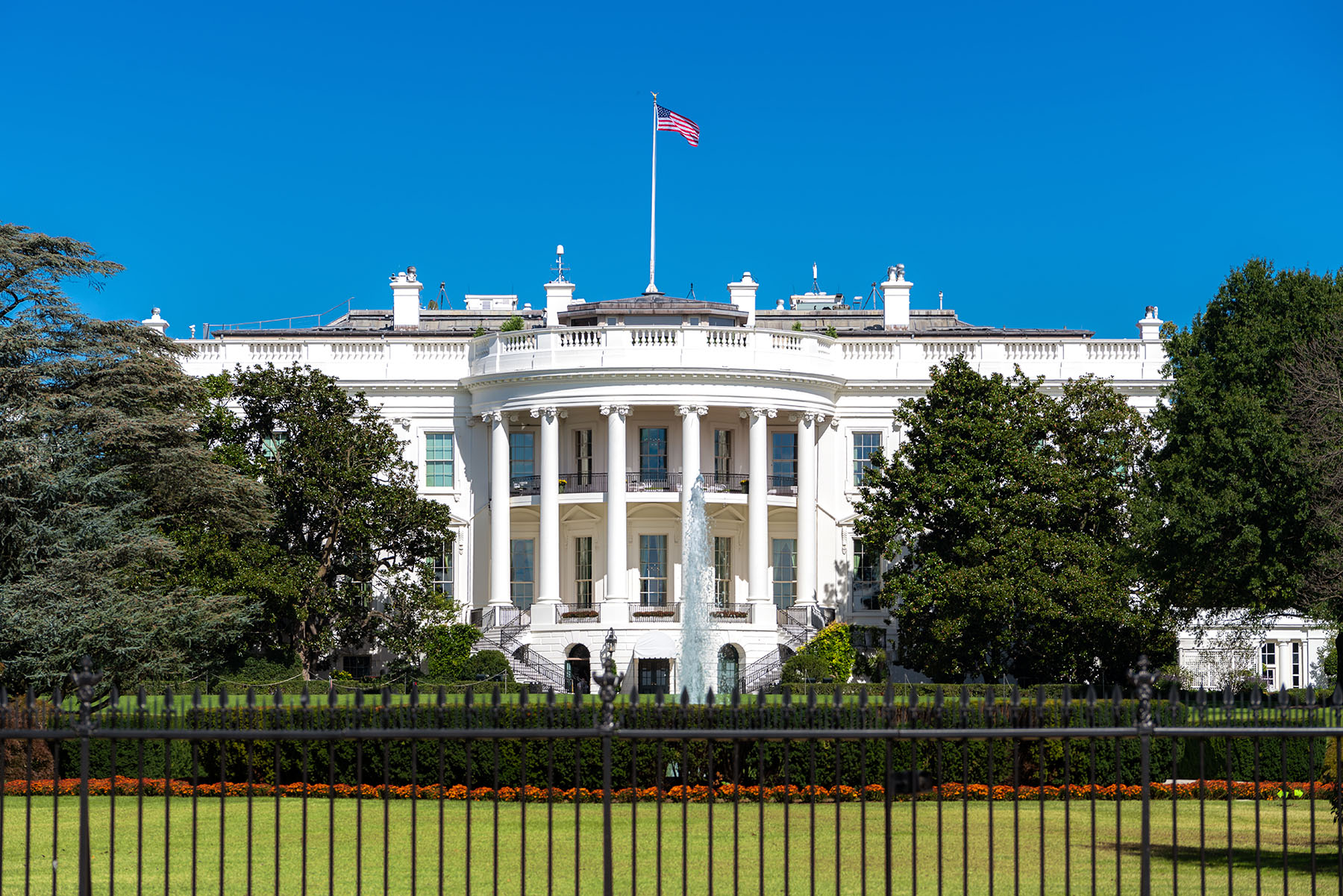
Washington, D.C. (March 1, 2022) - On February 22, the White House announced actions under the Infrastructure Investment and Jobs Act (IIJA) to promote domestic production of critical minerals, lithium and lithium batteries, clean hydrogen and carbon capture, utilization, and sequestration (CCUS) technologies. These actions focus on addressing U.S. demand for minerals and technologies to support the country’s energy transition as well as incentivizing public-private partnerships and innovation in these industries.
The White House announcement identified major steps in the Biden Administration’s development of domestic critical mineral supply chains and marked the one-year anniversary of Executive Order 14017, which called for a review of the domestic critical minerals supply chain. The subsequent review, released in June 2021, found that U.S. over-reliance on foreign sources of critical minerals posed potential threats to U.S. economic security. In response to these findings, the February 22 announcement noted several partnerships with private industries designed to develop domestic processing and refining of critical minerals, and new opportunities, including:
- A $35 million award from the Department of Defense to MP Materials to separate and process heavy rare earth elements and develop an end-to-end domestic permanent magnet supply chain;
- A five-year “multibillion-dollar” investment by Berkshire Hathaway Renewables for sustainable lithium extraction and production;
- A pilot lithium-ion battery recycling partnership between Redwood Materials, Ford, and Volvo, with the intention to construct a cathode manufacturing facility in 2022;
- A $2.9 billion Department of Energy (DOE) Bipartisan Infrastructure Law investment, divided into two notices of intent to issue funding opportunity announcements (FOAs) for domestic lithium-ion battery production, recycling, and manufacturing facilities, as well as research, development and demonstration of second-life applications of lithium-based battery materials; and
- Federal prioritization and stockpiling of critical minerals.
The statement also referenced several DOE investments that will be funded by the IIJA. These investments, initially announced by the White House on February 15 as part of a larger fact sheet on the Administration’s efforts to develop clean domestic manufacturing and production, present comment and funding opportunities for companies that can propose projects affecting the important critical minerals, hydrogen, and carbon capture sectors:
- A request for information (RFI) regarding the development of a $140 million rare earth element and critical minerals extraction and separation facility;
- An RFI relating to the development of regional hydrogen hubs using $8 billion authorized by the IIJA;
- An RFI related to a $1.5 billion DOE investment on a clean hydrogen electrolysis program and clean hydrogen manufacturing and recycling; and
- Guidance from the Council of Environmental Quality on Carbon Capture, Utilization, and Sequestration (CCUS) technologies.
The announcement also highlighted Executive interest in updating critical mineral mining laws and regulations, including potential changes to the Mining Law of 1872, updates to the federal list of critical minerals, and Department of Transportation efforts to include low-carbon materials in transportation projects as part of IIJA implementation efforts.
Lewis Brisbois’ environmental law and government relations attorneys are prepared to assist clients in understanding and interpreting these changing requirements and opportunities as the White House continues to create new opportunities for these important sectors. Visit our Government Relations and Environment, Land, & Natural Resources Law Practice pages for more alerts in this area.
Authors:
Karen C. Bennett, Partner
George Leahy, Law Clerk
Jane C. Luxton, Managing Partner - Washington, D.C.