
OFAC Warns Financial Institutions About Sanction Evasion Tactics
On September 4, the U.S. Department of the Treasury’s Office of Foreign Assets Control (OFAC) issued an Alert warning foreign jurisdictions and financial institutions of “Russia’s attempts to evade sanctions by opening new overseas branches and subsidiaries of Russian financial institutions.” OFAC has found that Russia continues to use third countries to evade sanctions that limit procurement to supply its military-industrial base. The Alert is a warning to both U.S. and foreign financial institutions to increase their vigilance over these Russian tactics.
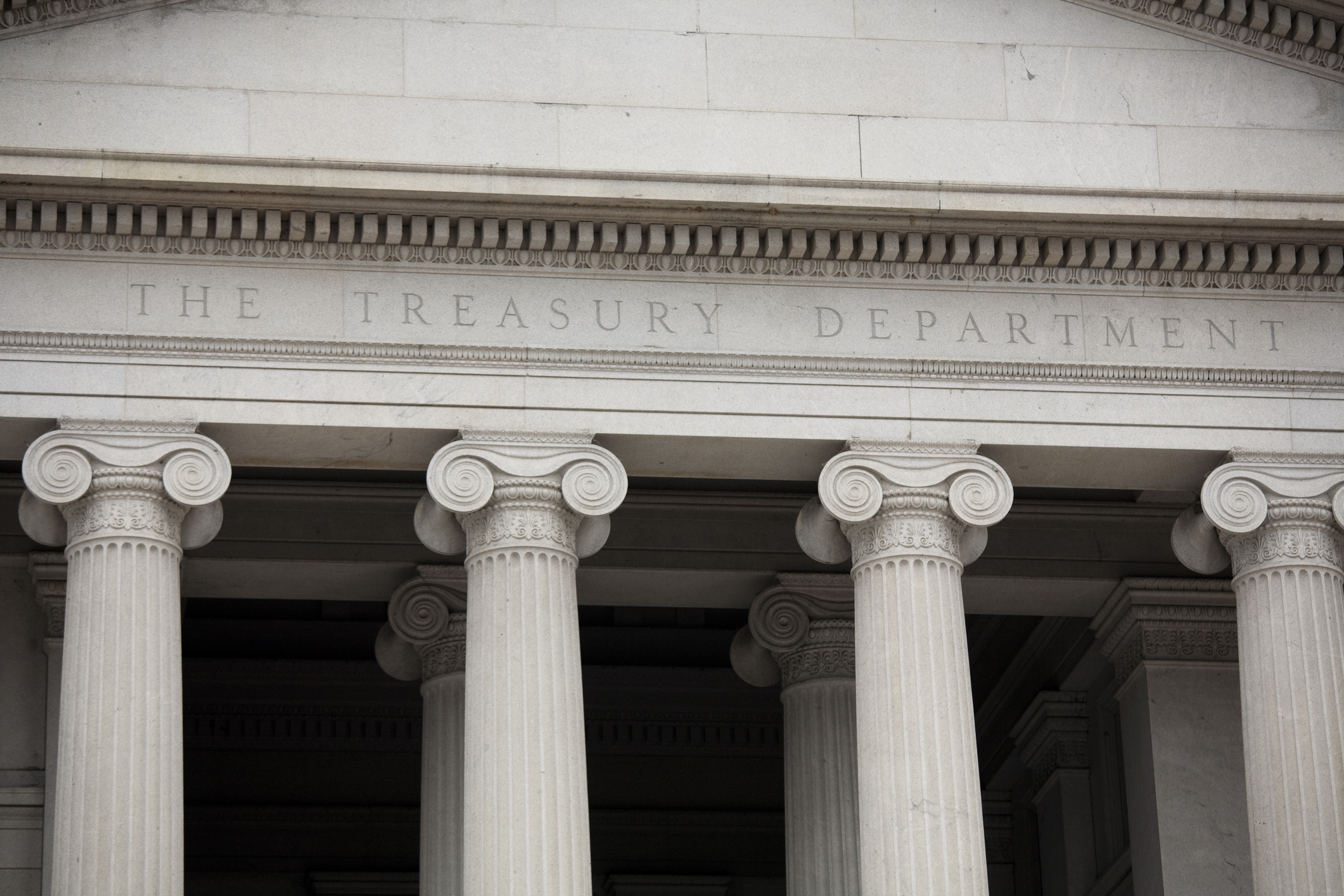
Washington, D.C. (September 25, 2024) - On September 4, the U.S. Department of the Treasury’s Office of Foreign Assets Control (OFAC) issued an Alert warning foreign jurisdictions and financial institutions of “Russia’s attempts to evade sanctions by opening new overseas branches and subsidiaries of Russian financial institutions.” OFAC has found that Russia continues to use third countries to evade sanctions that limit procurement to supply its military-industrial base. The Alert is a warning to both U.S. and foreign financial institutions to increase their vigilance over these Russian tactics.
See our earlier Client Alert describing how OFAC has expanded its jurisdiction from overseeing U.S. financial institutions to also being able to enforce U.S. sanctions against foreign financial institutions.
To avoid OFAC sanctions, some Russian banks that have been sanctioned by OFAC have created new branches or subsidiaries to engage in international trade. However, OFAC also is concerned about U.S. companies and financial institutions dealing with branches or subsidiaries of Russian banks that are not sanctioned. While legal to do so, OFAC has determined that this creates “significant sanctions risks” and is a red flag that requires additional scrutiny, as it could facilitate Russia’s efforts to evade sanctions to fund its war effort in Ukraine.
Notwithstanding this recent warning to U.S. and foreign financial institutions, “[E]xisting financial relationships that solely facilitate permissible transactions such as those related to food, agriculture, medicine, energy, and telecommunications continue to be authorized.” While these transactions can be continued, existing financial institutions must continue to be aware of Russia’s actions to subvert OFAC sanctions, especially if they are dealing with newly created branches or subsidiaries of Russian financial institutions.
Lewis Brisbois’s attorneys are actively advising clients on managing legal and business risk in the rapidly-developing area of international sanctions and export controls. For more information, contact the author or editors of this alert, and visit our Ukraine Conflict, International Trade, Export, Import and Investment Controls & National Security Practice page for additional alerts in this area.
Author:
Thomas A. Brooks, Partner
Editors:
Jane C. Luxton, Managing Partner - Washington, D.C.
Andrew Pidgirsky, Partner and Chair of Ukraine Conflict, International Trade, Export, Import and Investment Controls & National Security Practice