
The New Year Brings Substantial Russia-Related Sanctions on the Russian Energy Sector
In January, the U.S. Department of the Treasury’s Office of Foreign Assets Control (“OFAC”) issued several significant sanctions measures targeting Russia’s energy sector and related industries, including an expanded scope of sanctions on the Russian energy sector, broad prohibitions on “petroleum services” provided to the Russian Federation, designations of major Russian energy producers, and a swath of new General Licenses. These actions substantially increase sanction-related risks involved in the Russian oil trade and other energy-related areas.
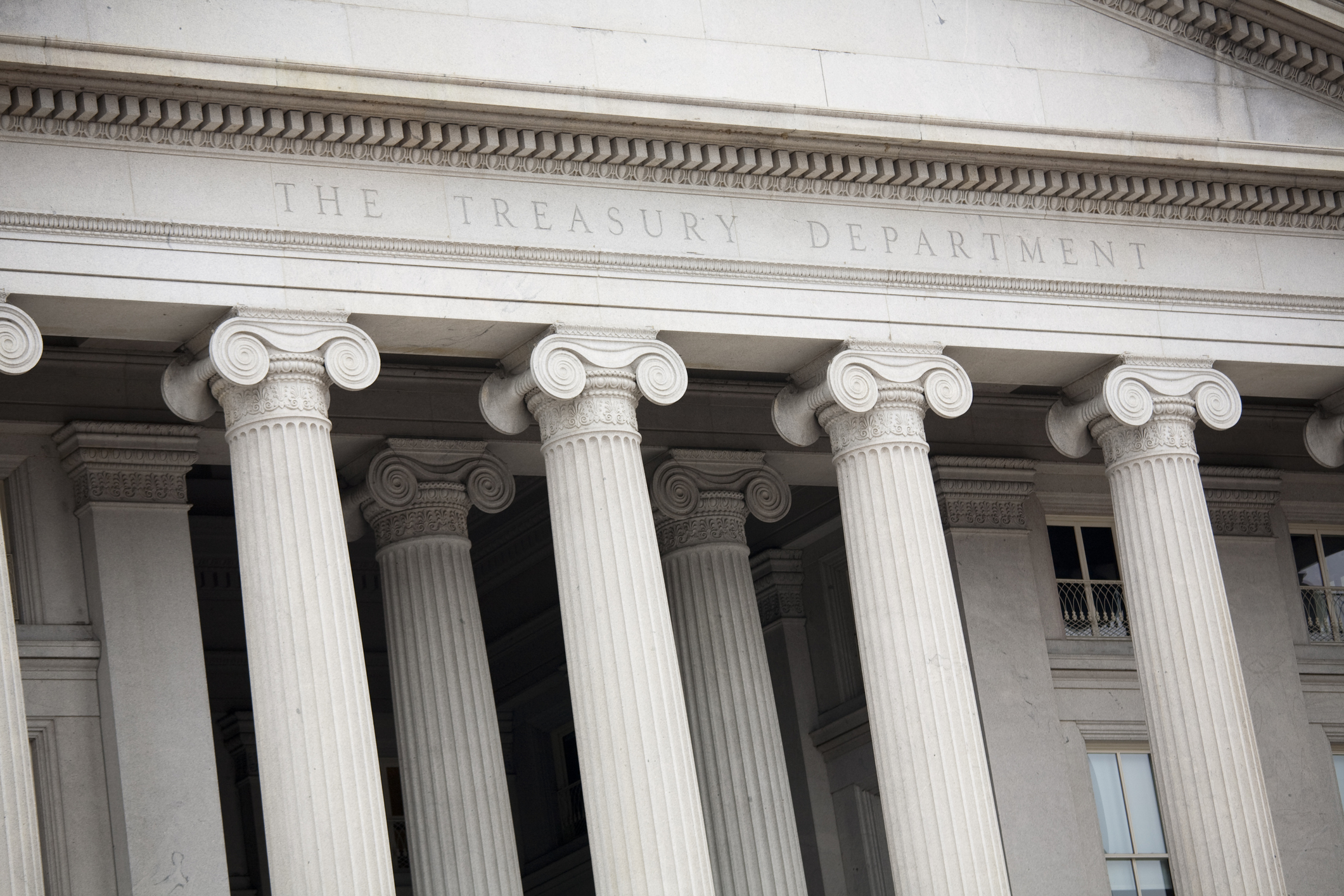
Washington, D.C. (February 4, 2025) - In January, the U.S. Department of the Treasury’s Office of Foreign Assets Control (“OFAC”) issued several significant sanctions measures targeting Russia’s energy sector and related industries, including an expanded scope of sanctions on the Russian energy sector, broad prohibitions on “petroleum services” provided to the Russian Federation, designations of major Russian energy producers, and a swath of new General Licenses. These actions substantially increase sanction-related risks involved in the Russian oil trade and other energy-related areas.
1. Expansion of Energy Sector Sanctions Authority:
On January 10, 2025, OFAC issued a determination expanding the scope of U.S. sanctions targeting Russia’s energy sector. Under the new determination, made pursuant to section 1(a)(I) of Executive Order (“E.O.”) 14024 (April 2021), the U.S. government may now impose sanctions on any individual or entity it determines to be operating in the “energy sector of the Russian Federation.” In a new Frequently Asked Question (“FAQ”), FAQ 1213, OFAC indicated that it expects to issue regulations defining “energy sector” as:
the procurement, exploration, extraction, drilling, mining, harvesting, production, refinement, liquefaction, gasification, regasification, conversion, enrichment, fabrication, manufacturing, testing, financing, distribution, purchase or transport to, from, or involving the Russian Federation, of petroleum, including crude oil, lease condensates, unfinished oils, natural gas, liquefied natural gas, natural gas liquids, or petroleum products, or other products capable of producing energy, such as coal, wood, or agricultural products used to manufacture biofuels; the development, production, testing, generation, transmission, financing, or exchange of power, through any means, including nuclear, electrical, thermal, and renewable, to, from, or involving the Russian Federation; and any related activities, including the provision or receipt of goods, services, or technology to, from, or involving the energy sector of the Russian Federation economy.
Persons and entities operating in this “energy sector” are not automatically subject to blocking sanctions. Rather, this determination authorizes the Treasury Department or State Department to impose blocking sanctions on such entities.
2. New Prohibition on Petroleum Services:
Also on January 10, 2025, OFAC issued a separate determination pursuant to Section 1(a)(ii) of E.O. 1407. Under this determination, beginning at 12:01 a.m. eastern standard time on February 27, 2025, OFAC will prohibit the exportation, reexportation, sale, or supply, directly or indirectly, from the United States, or by a United States person wherever located, of “petroleum services” to any person located in the Russian Federation. In FAQ 1216, OFAC indicated that it expects to issue regulations defining “petroleum services” as:
services related to the exploration, drilling, well completion, production, refining, processing, storage, maintenance, transportation, purchase, acquisition, testing, inspection, transfer, sale, trade, distribution, or marketing of petroleum, including crude oil and petroleum products, as well as any activities that contribute to Russia’s ability to develop its domestic petroleum resources, or the maintenance or expansion of Russia’s domestic production and refining. This would include services related to natural gas as a byproduct of oil production in Russia.
Such actions will be prohibited unless licensed or otherwise authorized by OFAC. The determination notably excludes, and does not prohibit:
- any petroleum services related to isotopes derived from petroleum manufacturing that are used for medical, agricultural, or environmental purposes, such as Carbon-13;
- certain covered services related to the maritime transport of crude oil and petroleum products of Russian Federation origin, provided that such crude oil or petroleum products are purchased at or below the relevant determined price caps; or
- any service in connection with the wind down or divestiture of an entity located in the Russian Federation that is not owned or controlled, directly or indirectly, by a Russian person.
3. Designation of Key Russian Energy Producers:
On January 10 and 15, 2025, OFAC and the U.S. State Department imposed full blocking sanctions on hundreds of individuals, entities, and vessels. Under these blocking sanctions, U.S. persons are broadly prohibited from transacting directly or indirectly with sanctioned persons and entities without authorization by OFAC. In addition, the property of such sanctioned persons and entities must be blocked and reported to OFAC when it is in or comes into the United States or the possession or control of a U.S. person.
On January 10, 2025, OFAC’s key designations included the CEOs of Gazprom Neft, Lukoil, Tatneft, and Zarubezhneft, as well as two of Russia’s largest oil producers, Gazprom Neft and Surgutneftegas and more than two dozen of their subsidiaries, and 183 vessels engaged in the Russian oil trade. Additionally, the State Department targeted major liquefied natural gas (“LNG”) projects, including Gazprom SPG Portovaya and Cryogas Vysotsk, as well as imited Liability Company Vostok Oil and subsidiary Tagulskoe.
On January 15, 2025, OFAC and the State Department designated or redesignated approximately 250 entities. Among these entities, OFAC’s significant financial institution designations included Kyrgyz Republic-based OJSC Keremet Bank, as well as Russia-based Bank Saint-Petersburg, Gazprombank, Alfa-Bank, Sovcombank, and the National Clearing Center. OFAC also targeted “energy sector” entities, including Gazstroyprom, Pipe Metallurgical Company, and JSC Suek, among others.
4. General License Updates:
Corresponding with these new sanctions measures, OFAC has issued or updated several General Licenses (“GLs”) to provide limited exemptions for specific transactions or activities. Specifically:
- GL 8L: Authorizes through 12:01 a.m. EST, March 12, 2025, transactions ordinarily incident and necessary to wind down activities “related to energy” and involving, among other entities, Vnesheconombank, Sovcombank, Sberbank, VTB Bank, Alfa-Bank, and the Central Bank of the Russian Federation.
- GL 115A: Authorizes certain civil nuclear energy transactions with designated Russian financial institutions (including those listed in GL 8L), through 12:01 a.m. EDT, June 30, 2025.
- GL 117: Provides a wind-down period for transactions involving certain designated entities, including Gazprom Neft, Surgutneftegas, and Ingosstrakh, through 12:01 a.m. EST, February 27, 2025.
- GL 118: Permits transactions related to the divestment or transfer of Russian debt or equity securities, including those issued by entities like Gazprom Neft and Surgutneftgas, through 12:01 a.m. EST, February 27, 2025.
- GL 120: Authorizes transactions necessary to dock, repair, or mitigate environmental damage related to blocked vessels, including those linked to the shadow fleet, through 12:01 a.m. EST, February 27, 2025.
- GL 121: Authorizes certain petroleum services related to the Caspian Pipeline Consortium, Tengizchevroil, and Sakhalin-1, through 12:01 a.m. EDT, June 28, 2025.
- GL 122: Authorizes through 12:01 a.m. EST, March 1, 2025, certain transactions ordinarily incident and necessary to the wind down of any transaction with several entities designated on January 15, 2025.
- GL 123: Authorizes through 12:01 a.m. EST, March 1, 2025, certain transactions ordinarily incident and necessary to the divestment or transfer of debt or equity issued or guaranteed by Wafangdian Bearing Company Limited, among other actions related to such debt or equity.
None of these GLs authorize transactions prohibited by E,O, 14024 Directive 2, which prohibits U.S. financial institutions from opening or maintaining a correspondent or payable-through account for or on behalf of certain foreign financial institutions and processing transactions involving certain foreign financial institutions. Nor the GLs authorize transactions prohibited by E.O. 14024 Directive 4, which prohibits U.S. persons from engaging in transactions involving the Central Bank of the Russian Federation, the National Wealth Fund of the Russian Federation, and the Ministry of Finance of the Russian Federation.
Implications for U.S. Businesses and Financial Institutions:
U.S. businesses must be vigilant, particularly with the broad definitions of “energy sector” and “petroleum services.” With the implementation of new petroleum services bans, and with more companies and vessels being sanctioned, entities operating in or with Russian energy markets will need to carefully assess their compliance strategies.
Lewis Brisbois’s attorneys are actively engaged in the wide range of legal issues in this area and are advising clients on managing legal and business risk as events continue to develop at an accelerated pace. For more information, contact the author or editor of this alert. Visit our Ukraine Conflict, International Trade, Export, Import and Investment Controls & National Security Practice page for additional alerts in this area.
Author:
George Leahy, Associate
Editor:
Andrew Pidgirsky, Partner and Chair of Ukraine Conflict, International Trade, Export, Import and Investment Controls & National Security Practice