
OFAC Settles Broker-Dealer Sanctions Case With Minimal Fine
On July 15, 2025 the Office of Foreign Assets Control (OFAC) settled apparent (the term OFAC uses) violations by Interactive Brokers LLC (IB) of multiple OFAC sanctions programs. IB is a Connecticut-based global electronic broker-dealer providing brokerage and investment services to millions of customers worldwide through its online brokerage platform. It agreed to pay $11,832,136 to settle its multiple apparent violations. For almost eight years ending in January 2024, IB provided brokerage and investment services to persons in Iran, Cuba, Syria, and the Crimea region of Ukraine (together the Sanctioned Countries), processed trades in securities subject to the Chinese Military-Industrial Complex program, conducted transactions involving blocked persons under OFAC’s Russia, Global Magnitsky, Venezuela, and Syria sanctions programs, and engaged in new investment in the Russian Federation.
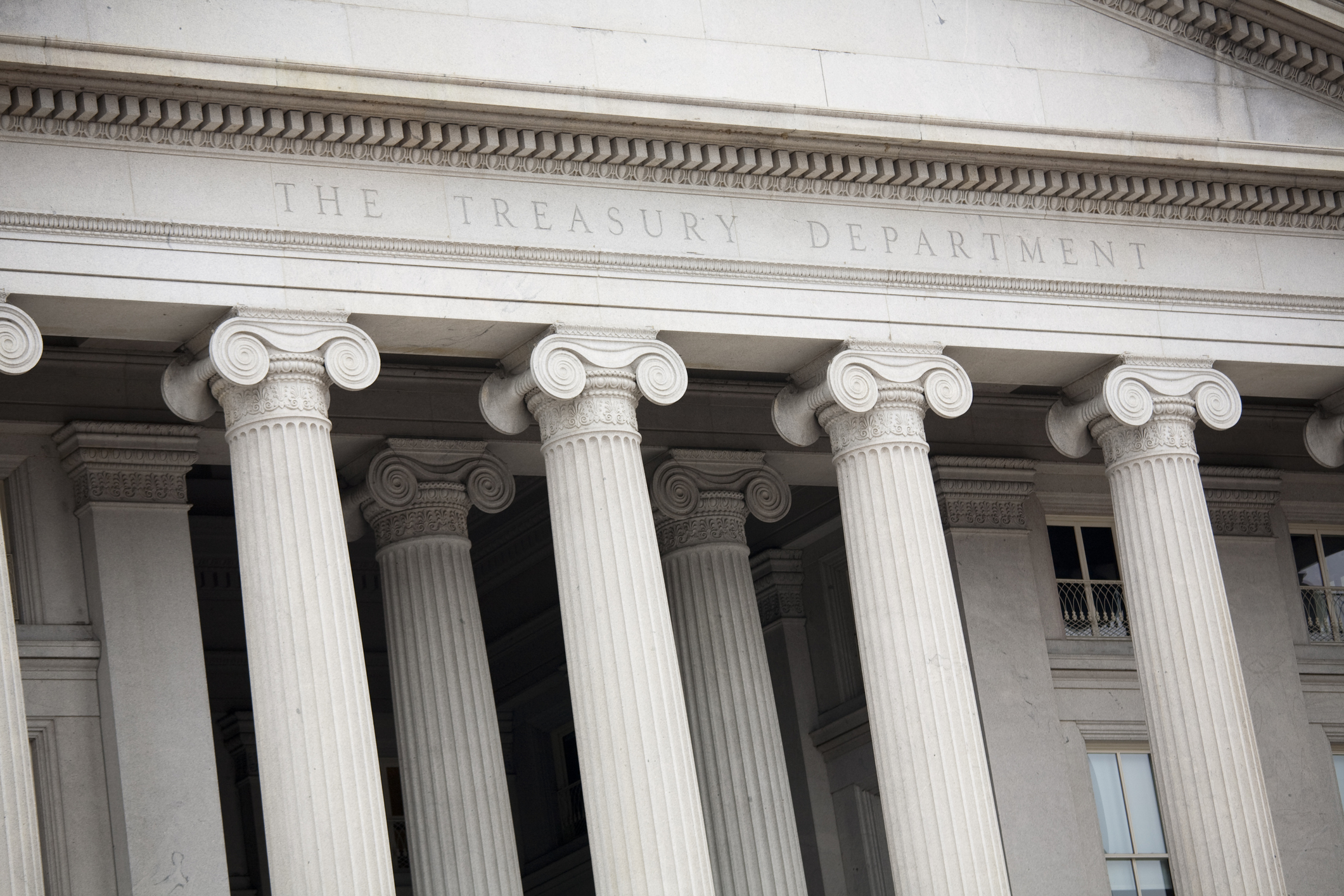
Washington, D.C. (August 19, 2025) - On July 15, 2025 the Office of Foreign Assets Control (OFAC) settled apparent (the term OFAC uses) violations by Interactive Brokers LLC (IB) of multiple OFAC sanctions programs. IB is a Connecticut-based global electronic broker-dealer providing brokerage and investment services to millions of customers worldwide through its online brokerage platform. It agreed to pay $11,832,136 to settle its multiple apparent violations. For almost eight years ending in January 2024, IB provided brokerage and investment services to persons in Iran, Cuba, Syria, and the Crimea region of Ukraine (together the Sanctioned Countries), processed trades in securities subject to the Chinese Military-Industrial Complex program, conducted transactions involving blocked persons under OFAC’s Russia, Global Magnitsky, Venezuela, and Syria sanctions programs, and engaged in new investment in the Russian Federation.
Is an $11.8 Million Settlement a Small Amount?
An $11.8 million fine is not insubstantial. However, the statutory maximum civil monetary penalty applicable in this case is over $5 billion! Under OFAC’s Economic Sanctions Enforcement Guidelines, the base civil money penalty applicable in this case is calculated to be just over $60 million. However, the apparent violations were settled between OFAC and IB for under $12 million after consideration of both aggravating and mitigating factors.
What Were the Apparent Violations?
- IB committed apparent violations by exporting brokerage and investment services to customers located in the Sanctioned Countries, providing services enabling trades in securities and derivative contracts and execution of funds transfers, to more than 200 accountholders.
- IB processed 259 customer funds transfers to accounts at blocked Russian Federation banks subject to Executive Order 14024 of April 19, 2021.
- Because of deficiencies in its internal compliance systems, IB enabled trading in securities of 13 entities involved in military, intelligence, and security research and development programs, including development of weapons and Chinese surveillance technology, under the People’s Republic of China’s Military-Civil Fusion strategy.
- While IB took steps to restrict customers’ ability to trade any security issued by an entity located in the Russian Federation and the ability of customers located in the Russian Federation to open new positions on margin, shortcomings in its compliance program allowed these apparent violations to occur.
- IB processed customer trades for securities of a Chinese Communist Party paramilitary organization in apparent violation of the Global Magnitsky Sanctions Regulations.
- Due to a deficiency in its sanctions alert program, IB processed funds transfers for a person blocked pursuant to the Venezuela Sanctions Regulations.
- IB processed funds transfers in an apparent violation of the Syrian Sanctions Regulations.
How Did IB Obtain a Significantly Reduced Penalty?
In 2018, IB began a self-initiated sanctions compliance review, including conducting transactional and data reviews that led IB to identify and disclose to OFAC the 12,367 apparent violations. While OFAC determined that IB failed to exercise due care in its sanctions compliance program, it found that its actions were not willful neglect. OFAC also found that IB was “a highly sophisticated, heavily regulated, and technology-driven firm with global operations across more than 150 electronic exchanges and market centers” and had the resources to prevent the apparent violations, but failed to do so.
In determining the final penalty, OFAC considered certain mitigating factors.
- IB had not been penalized by OFAC in the past five years.
- The apparent violations constituted a miniscule portion of IB’s transactions—0.0001% of its total trading volume.
- IB invested, and will continue to invest, money and training in undertaking significant remedial measures to fix compliance deficiencies.
- Most importantly, IB “voluntarily self-disclosed the Apparent Violations and provided substantial cooperation with OFAC’s investigation by conducting several voluminous, comprehensive multi-year transactional and data reviews in a timely fashion—engaging in many of these reviews without OFAC’s prompting—by providing well-organized and useful submissions in response to OFAC information requests, and by agreeing to toll the statute of limitations in multiple instances.”
Key Takeaways
In most cases where there is a significant reduction in the maximum applicable penalties, the apparent violator has self disclosed apparent violations to OFAC and has committed resources to correcting the problems, including ongoing monitoring of its compliance program. Even for very large entities with significant financial and personnel resources, continuous monitoring can significantly reduce potential civil money penalties.
Lewis Brisbois’s attorneys are actively engaged in the wide range of legal issues in this area and are advising clients on managing legal and business risk as events continue to develop at an accelerated pace. For more information, contact the author or editors of this alert. Visit our Ukraine Conflict, International Trade, Export, Import and Investment Controls & National Security Practice page for additional alerts in this area.
Author:
Thomas A. Brooks, Partner
Editors:
Andrew Pidgirsky, Partner and Chair of Ukraine Conflict, International Trade, Export, Import and Investment Controls & National Security Practice
Jane C. Luxton, Co-Managing Partner - Washington, D.C.