OFAC Fines German Multinational Company Due to Sanctions Evasion
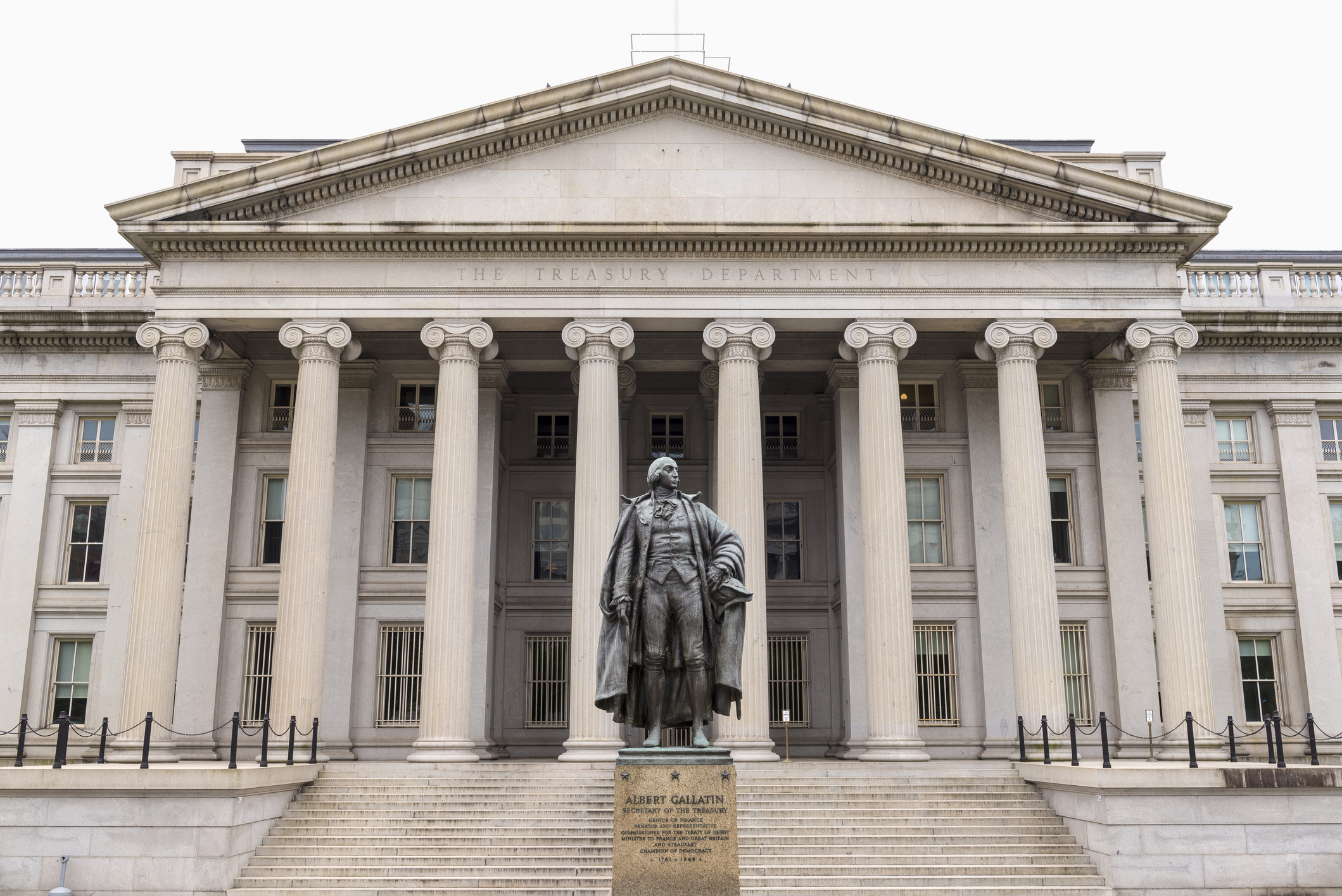
Washington, D.C. (February 13, 2025) - On December 3, 2024, the U.S. Department of The Treasury’s Office of Foreign Assets Control (OFAC) announced a $15,550,000 settlement with Aiotec GmbH (Aiotec), a German company that is a supplier of used plants and equipment for refineries, petrochemical plans, gas plants, and similar systems.
The Apparent Violations
The settlement is a result of OFAC’s finding that Aiotec violated Iranian Transactions and Sanctions Regulations. More particularly, Aiotec attempted to disguise the dismantling and sale of an Australia-based plant, by convincing a U.S.- based company party to the transaction that the end user of the plant was in Turkey - and certified as much to the U.S.- based company on several occasions - even though Aiotec’s intended end user was in Iran. While the U.S.-based company took several contractual measures to comply with OFAC regulations and inquired if any part of the transaction would violate OFAC sanctions, Aiotec made various misrepresentations about the end user of the plant sale.
The Applicable Law
OFAC determined that there was an apparent violation of section 560.203(b) of the Iranian Transactions and Sanctions Regulations, which essentially is the attempt to evade trade sanctions on Iran. More particularly, OFAC concluded that Aiotec conspired with its Middle Eastern affiliate to convince the U.S.-based company to sell and supply the plant, with knowledge that the end user was in Iran.
The Settlement
OFAC determined that Aiotec’s actions were egregious and not voluntarily self-disclosed, and agreed to a $15,550,000 settlement but with $9,550,000 of Aiotec’s settlement amount to be suspended upon its completion of compliance commitments articulated in the Settlement Agreement.
The compliance commitments include:
- Devoting part of Aiotec’s budget to sanctions compliance;
- Aiotec’s compliance unit must receive adequate resources in terms of training, human capital, expertise, information technology and other resources;
- Aiotec must promote a culture of compliance throughout its organization;
- Regular sanctions risk assessment must be undertaken;
- Aiotec to design and implement written policies and procedures outlining its sanctions compliance program;
- Internal controls to be adopted to identify and report to appropriate personnel any potential sanctions violations;
Key Takeaway
The U.S.-based company likely avoided liability by demonstrating that it had several measures to prevent OFAC sanctions violations, such as its contractual requirements to Aiotec that the transaction would not violate sanctions, and requiring further assurances and certifications from Aiotec that the end user was not in Iran. This demonstrates that a robust sanctions compliance framework can help a company avoid liability even if directly engaging with an affiliate that intends to violate sanctions.
Lewis Brisbois’s attorneys are actively engaged in the wide range of legal issues in this area and are advising clients on managing legal and business risk as events continue to develop at an accelerated pace. For more information, contact the author or editor of this alert. Visit our Ukraine Conflict, International Trade, Export, Import and Investment Controls & National Security Practice page for additional alerts in this area.
Related Practices
Related Attorneys
Partners
-

 832.548.3015
Associates
-



Latest News
- January 13, 2026 Shawn Schatzle Pens Law360 Expert Analysis On New York’s AVOID Act
- January 13, 2026 Francis Pileggi Speaks With Law360 Pulse For Article On Delaware Legal Leaders’ Predictions for 2026
- January 12, 2026 Lewis Brisbois Bolsters Firm Leadership With Highly Experienced Chief Administrative Officer Hire