President Trump Expands Tariffs on Steel and Aluminum
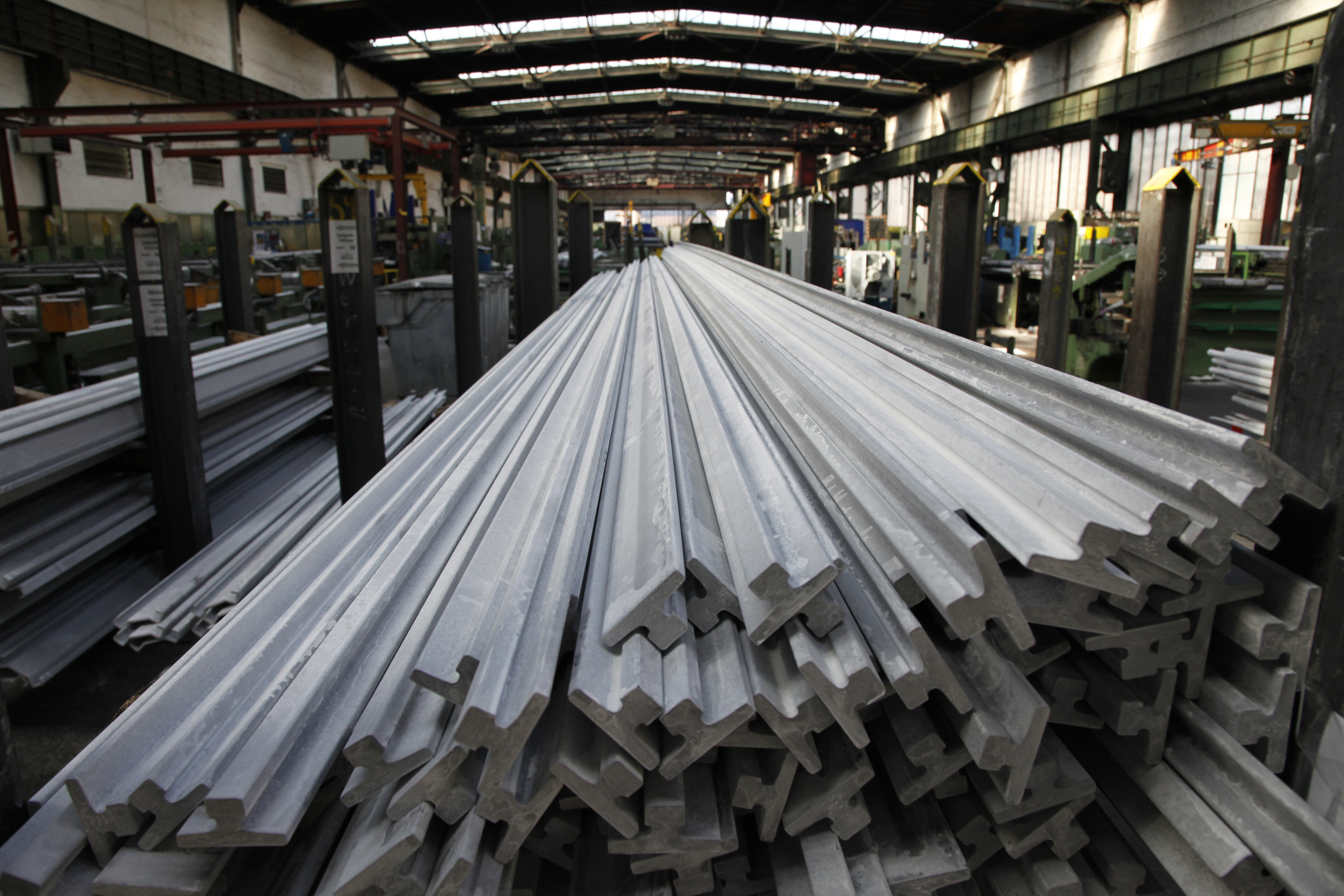
Washington, D.C. (February 18, 2025) - On February 10, 2025, President Trump issued two new proclamations expanding and increasing tariffs on steel and aluminum imports into the U.S. These changes are in response to a report from the first Trump Administration that found steel and aluminum import levels and global excess were weakening the U.S. domestic economy and threatening to impair U.S. national security.
In a fact sheet provided by the White House, President Trump articulated that these tariff increases are part of a general policy aimed at achieving economic and strategic objectives, notably, reducing imports from China and stimulating U.S. production. The Trump administration determined that these tariffs will have no correlation with inflation, create only a temporary effect on overall price levels, and incentivize U.S. consumers to buy U.S.-made products. The increases and expansions are implemented pursuant to section 232 of the Trade Expansion Act of 1962, as amended (19 U.S.C. 1862).
Tariff Expansion and Increases on Steel
The increased steel tariffs are a resumption of a policy from President Trump’s first term, which imposed a full 25% tariff on steel imports under Proclamation 9705, issued March 8, 2018. These tariffs were imposed in response to a report that found that steel excess production and capacity, especially by China, had been a major factor in the decline of U.S. domestic production. Proclamation 9705, however, had an exemption mechanism that several countries like the United Kingdom, Argentina, and the European Union utilized to get exemptions.
President Trump determined that those exemptions provided loopholes that were exploited by China and other countries with excess steel capacity, undermining the tariffs. During President Trump’s first administration, the domestic steel industry briefly achieved a 80% utilization in 2021, but that later fell to 75.3% due to high import volumes of steel.
This new proclamation, however, eliminates all alternative agreements, applies stricter standards on “melted and poured” steel products, expands tariffs on downstream products, terminates general exclusions, and cracks down on tariff misclassification and duty evasion schemes in order to close off all potential loopholes. Further, on February 18, 2025, the Federal Register published Annex 1, which lists derivative steel goods subject to the new tariff rate.
Tariff Expansion and Increases on Aluminum
This proclamation increases aluminum tariffs from 10% to 25%. Like the new steel tariffs, the aluminum tariff increases were imposed in response to concerns that current import levels threaten to impair the national security of the United States. Aspects of this measure are also a reaction to policy from President Trump’s first term, which in Proclamation 9704, issued March 8, 2018, provided an exemption mechanism for countries that have a security relationship with the U.S. Pursuant to Proclamation 9704, Argentina, Australia, Canada, Mexico, the European Union (EU), and the United Kingdom negotiated exemptions from aluminum tariffs.
Like the tariff exemptions on steel, all alternative agreements, tariff-rate quotas, and national exemptions will be terminated and/or phased out. Annex 1 lists derivative aluminum goods subject to the new tariff rate
Anticipated Further Increases and Expansion
The proclamations direct the Department of Commerce to establish a process to include additional derivative steel and aluminum articles to be tariffed pursuant to these proclamations and the authorities they rely on. We will monitor this space for any developments.
European Union Reaction
In responses to the proclamation, the European Union vowed tough countermeasures from the 27-nation bloc. No policies, regulations, or legislation have been put forward so far, but Bern Lange, Chair of the European Parliament’s trade committee, suggested that “[m]otorcycles, jeans, peanut butter, bourbon, whiskey and a whole range of products that of course also affect American exporters” would be targeted.
Overarching Trump Administration Policy
These latest proclamations are a further enforcement step in the Trump administration’s America First Trade Policy, issued via a presidential memorandum on January 20, 2025. The memorandum aims to address persistent U.S. trade deficits and perceived unfair trade practices by raising and expanding tariffs. The America First Trade Policy memorandum also calls for:
- Studying the plausibility of an External Revenue Service to collect tariffs, duties and other foreign trade-related revenues;
- Assigning U.S. agencies to review and identify any unfair trade practices;
- Assessing the impact of the United States – Mexico – Canada Agreement (USCMA) on U.S. businesses;
- Assessing currency manipulation by major U.S. trading partners, and any such impact on U.S. trade;
- Undertaking a review of current bilateral and multilateral trade agreements.
Key Takeaway
This is a rapidly developing issues that will have substantial impacts on many industries. Affected businesses should pay close attention and consider seeking experienced counsel for assistance in evaluating risks and opportunities.
Don't forget to register for our upcoming March 5, 2025 webinar, "New and Imminent Tariffs: Impacts on Business," which will explore the significant changes and impacts of tariffs recently imposed by the Trump administration.
Lewis Brisbois’s attorneys are actively engaged in the wide range of legal issues in this area and are advising clients on managing legal and business risk as events continue to develop at an accelerated pace. For more information, contact the author or editors of this alert. Visit our Ukraine Conflict, International Trade, Export, Import and Investment Controls & National Security Practice page for additional alerts in this area.
Author:
Mamoun Mahayni, Associate
Editors:
Andrew Pidgirsky, Partner and Chair of Ukraine Conflict, International Trade, Export, Import and Investment Controls & National Security Practice
Jane C. Luxton, Managing Partner - Washington, D.C.
Related Practices
Related Attorneys
Partners
-

-

 832.548.3015
Associates
-



Latest News
- January 13, 2026 Shawn Schatzle Pens Law360 Expert Analysis On New York’s AVOID Act
- January 13, 2026 Francis Pileggi Speaks With Law360 Pulse For Article On Delaware Legal Leaders’ Predictions for 2026
- January 12, 2026 Lewis Brisbois Bolsters Firm Leadership With Highly Experienced Chief Administrative Officer Hire