Self-Disclosure of OFAC Sanctions Violations Results in Significant Penalty Reductions
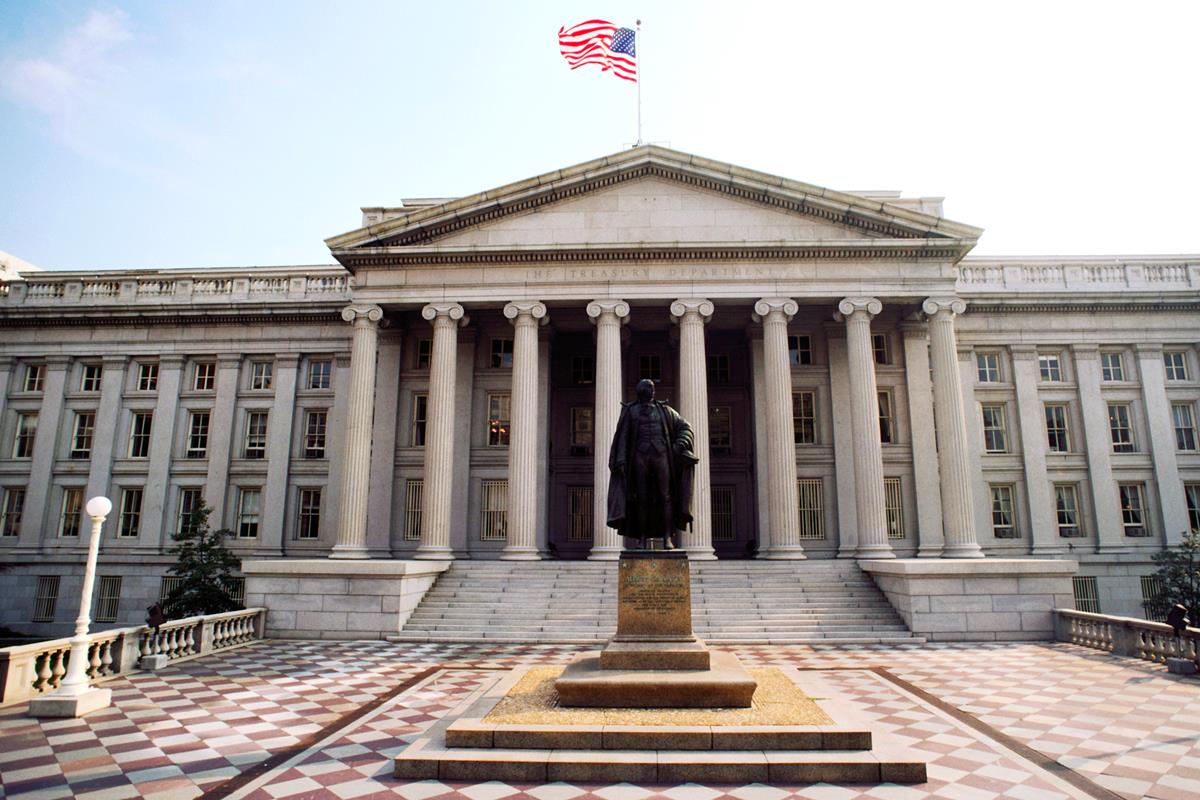
Washington, D.C. (January 22, 2025) - On December 18, 2024, the U.S. Department of the Treasury's Office of Foreign Assets Control (OFAC) announced an enforcement action against Córdoba Music Group LLC (Córdoba), a manufacturer of musical instruments based in California, to settle its potential civil liability for apparent violations of sanctions on Iran. Córdoba shipped instruments that it knew were destined for Iran in an apparent violation of sanctions on Iran. OFAC assessed a fine against Córdoba of $41,591.
Reason for Action
OFAC found that Córdoba previously had become acquainted with an Iranian company at a trade show in Anaheim, California, and entered into an informal arrangement for it to distribute Córdoba products in Iran. The new Iranian distributor instructed Córdoba to bill and ship products to a Dubai-based general trading company, which then shipped the products to Iran. OFAC found that on nine occasions between November 26, 2019 and March 30, 2022, Córdoba shipped instruments and related accessories valued at $118,831 that Córdoba knew to be ultimately destined for Iran.
Thereafter, Córdoba was acquired by another U.S. company. Two months after the acquisition, a member of Córdoba’s sales team forwarded to the new parent a draft distribution agreement with the Iranian distributor providing that it would sell Córdoba’s products solely in Iran. Upon receiving the email, the new parent’s leadership directed Córdoba to terminate its business relationship and any pending transactions with the distributor. It then began investigating the activity and submitted a voluntary self-disclosure to OFAC.
While Córdoba knew the products were destined for Iran, it apparently did not realize that indirect exports to Iran violated U.S. sanctions. OFAC found that Córdoba lacked a proper sanctions compliance program and export compliance training, in addition to Córdoba observing that competitors were selling their products in Iran and an understanding that musical instrument sales were not prohibited.
Basis for Penalty
Finding that the actions of Córdoba resulted in an apparent violation of the Iranian Transactions and Sanctions Regulations, OFAC determined that the maximum civil monetary penalty that could be imposed on Córdoba was over $3.3 million. Under OFAC’s Enforcement Guidelines, however, the base civil monetary penalty was calculated to be $59,426. The matter was settled for $41,591.
Why was the matter settled for such a small amount when the maximum penalty could have been over $3 million? As shown in other cases brought by OFAC, voluntary self-disclosure of sanctions violations and taking prompt corrective action to bolster a compliance program can reduce fines significantly.
The aggravating factors considered by OFAC are that Córdoba “failed to exercise due caution or care for its compliance obligations by engaging in trade with Iran without taking steps to ensure such trade would not violate U.S. law.” Additionally, OFAC discovered that there was a clear understanding among Córdoba employees, including its CEO, that its products were ultimately destined for Iran.
However, mitigating factors considered by OFAC in Córdoba’s favor was that Córdoba was a small company with no prior history of sanctions violations. It also determined that Córdoba’s compliance program was significantly enhanced, including continuing training of its employees and extensive third-party screening requirements. Once the violations were discovered internally, Córdoba also fully cooperated with OFAC’s investigation.
Takeaway
The Córdoba case again illustrates the benefit of voluntary self-disclosure when a sanctions violation is discovered. As noted above, the settlement amount was almost 80 times less than the applicable maximum penalty that could have been applied, due to Córdoba’s cooperation. More importantly, a strong sanctions compliance program is a first line defense against violations even occurring.
Lewis Brisbois’s attorneys are actively engaged in the wide range of legal issues in this area and are advising clients on managing legal and business risk as events continue to develop at an accelerated pace. For more information, contact the author or editor of this alert, and visit our Ukraine Conflict, International Trade, Export, Import and Investment Controls & National Security Practice page for additional alerts in this area.
Author:
Thomas A. Brooks, Partner
Editor:
Andrew Pidgirsky, Partner and Chair of Ukraine Conflict, International Trade, Export, Import and Investment Controls & National Security Practice
Related Practices
Related Attorneys
Partners
-

-

 202.558.0667


Latest News
- January 13, 2026 Shawn Schatzle Pens Law360 Expert Analysis On New York’s AVOID Act
- January 13, 2026 Francis Pileggi Speaks With Law360 Pulse For Article On Delaware Legal Leaders’ Predictions for 2026
- January 12, 2026 Lewis Brisbois Bolsters Firm Leadership With Highly Experienced Chief Administrative Officer Hire