Supreme Court Limits EPA’s Options for Wastewater Discharge Permits
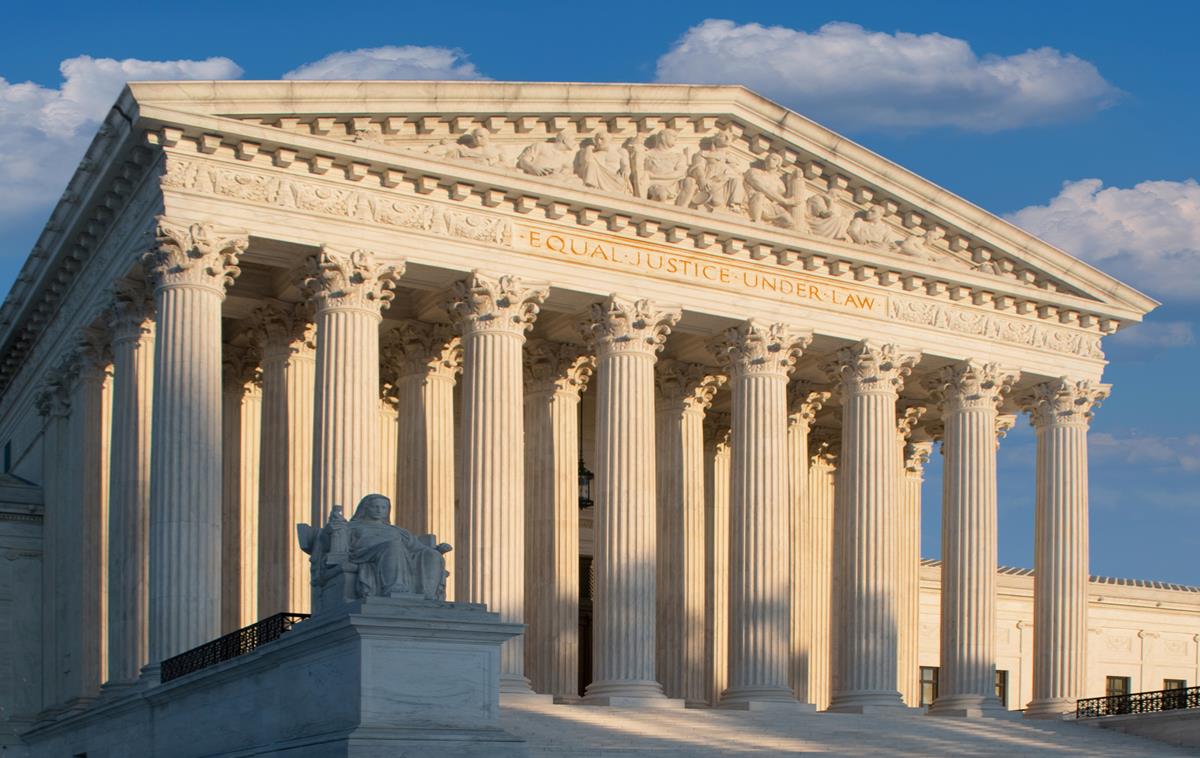
Summary: The U.S. Supreme Court has restricted the Environmental Protection Agency’s options for controlling wastewater dischargers under the Clean Water Act in a decision issued March 4, 2025. The somewhat narrow ruling prohibits the EPA from using nonspecific requirements in its permits which make the permittee liable for the resulting condition of the receiving body of water.
Temecula, Calif. (March 6, 2025) - On March 4, 2025, the U.S. Supreme Court issued an opinion limiting what the EPA can require in its National Pollutant Discharge Elimination System (NPDES) permits regulating the discharge of pollutants into United States waters. In City and County of San Francisco, California v. Environmental Protection Agency, No. 23-753, the Court held in a 5-4 decision that the Clean Water Act does not authorize the EPA to issue a NPDES permit that not only dictates what steps the permittee must take to meet water quality standards, but also makes the permittee responsible for the “end result” quality of the receiving body of water.
Failure to comply with NPDES permits can lead to civil penalties and criminal prosecution. However, under the “permit shield” provision of the Clean Water Act, a permittee that adheres to the terms of its permit is deemed to be compliant with the Clean Water Act and is protected from liability.
In this case, the Court examined the EPA’s 2019 renewal of a NPDES permit to the City of San Francisco, which operates wastewater treatment facilities that process both wastewater and stormwater. During storms the facilities can exceed their capacity resulting in the discharge of untreated water into the Pacific Ocean, and a NPDES permit is therefore required. Unlike the city’s previous permit - which spelled out what the city must do and refrain from doing - the 2019 permit renewal added "end result" requirements making the city responsible for the quality of water into which it is discharging pollutants. The additional requirements included broad, non-specific prohibitions against discharges that “contribute to violation of any applicable water quality standard” for receiving waters, and against treating or discharging water that creates pollution, contamination or nuisance as defined in the California Water Code.
San Francisco claimed that the EPA had no authority to issue such “end result” requirements, but its claim was rejected by the EPA administratively. The U.S. Court of Appeals for the Ninth Circuit denied the city’s petition for review, holding that the EPA is authorized to impose "any" limitations to ensure the quality of the receiving body of water.
The Supreme Court reversed, holding that the EPA is not authorized to include “end result” provisions in its NPDES permits, but rather is limited to determining what steps the permittee must take to meet water quality standards. The EPA cannot condition a permittee’s compliance with its permit on the quality of the receiving body of water. The Court based its decision on: (1) a detailed interpretation of the Clean Water Act language; (2) the fact that “end result” enforcement provisions were intentionally left out of the Clean Water Act although they had appeared in the Act’s predecessor statute; (3) the “end result” requirements would negate the “permit shield” liability protection for those who comply with their permit; and (4) the EPA's interpretation had no process to fairly allocate responsibility for water quality violations among multiple dischargers.
While this decision prohibits the EPA from issuing permits with nonspecific requirements which make the permittee responsible for the quality of the receiving body of water, the holding is fairly narrow and its impact remains to be seen.
For more information about the implications of this decision, contact the authors of this alert. Visit our Real Estate & Land Use Practice and Government Affairs & Public Policy Practice pages to learn more about our capabilities in this area.
Authors:
Edward J. Corwin, Partner
Samuel Alhadeff, Partner and Vice Chair of Real Estate & Land Use Practice and Government Affairs & Public Policy Practice
Related Practices
Related Attorneys
Partners
-

 951.252.6152


Latest News
- January 13, 2026 Shawn Schatzle Pens Law360 Expert Analysis On New York’s AVOID Act
- January 13, 2026 Francis Pileggi Speaks With Law360 Pulse For Article On Delaware Legal Leaders’ Predictions for 2026
- January 12, 2026 Lewis Brisbois Bolsters Firm Leadership With Highly Experienced Chief Administrative Officer Hire