Trump Administration’s 2025 Energy Policy Roundup Part 1: Fueling a Fossil Future
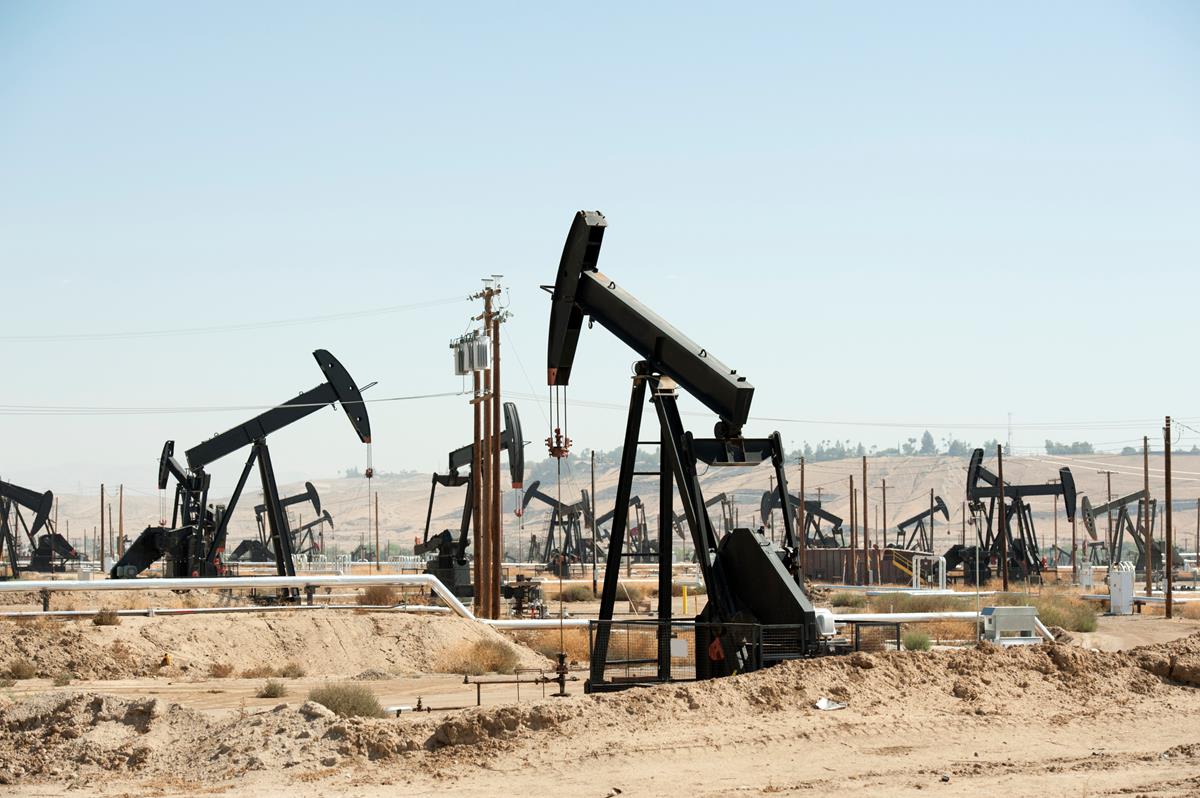
Houston, Tex. (February 28, 2025) - The Trump administration’s 2025 energy policy prioritizes aggressive fossil fuel development, dismantles environmental regulations, and scales back support for renewable energy projects. This approach marks a stark departure from the Biden administration’s emphasis on renewable energy and emissions reductions. Instead, Trump’s administration is focused on increasing oil, gas, and coal production through deregulation, reviving pipeline projects, and reducing environmental oversight, all under the banner of energy independence and economic growth.
Trump's 2025 energy policy has been shaped by several recent executive actions aimed at boosting fossil fuel production, while rolling back the Biden administration’s climate-related regulations, and sidelining renewables. Some key orders and memoranda include the following:
1. EO 14153 - “Unleashing Alaska’s Extraordinary Resource Potential”
- Declares the administration’s intent to develop Alaska's abundant and untapped natural resources, including energy and minerals, in order to enhance national economic and security interests, create jobs, and support global energy dominance; and reverse restrictions from the Biden administration that hinder resource development in Alaska. [Sec. 1].
- Outlines the administration’s policies to maximize resource development on federal and state lands; expedite permitting and leasing for energy and natural resource projects; and prioritize the development and transportation of Alaska's liquified natural gas (LNG) potential. [Sec. 2].
- Directs agencies to rescind, revoke, revise, amend, defer, or grant exemptions from any and all rules and regulations that limit energy production in Alaska and are inconsistent with stated policies; and reinstate pro-energy policies, with a focus on LNG development and expedited permitting of all necessary pipeline and export infrastructure related to LNG projects. [Sec. 3(a)].
- Requires withdrawal of orders that halt energy development activities in the Arctic National Wildlife Refuge; rescission of any lease cancellations; and issuance of all permits and easements necessary for exploration, development, and production of oil and gas within the Refuge. [Sec. 3(b)].
- Rescinds several Biden-era executive orders, as well as rules that protect the National Petroleum Reserve in Alaska and prevent infrastructure development, such as roads and pipelines, emphasizing the importance of the Trans-Alaska Pipeline System for energy export and national energy dominance. [Sec. 3(b)].
2. EO 14154 – "Unleashing American Energy"
- Requires federal agencies to review and eliminate existing agency actions deemed to impose undue burdens on development of domestic energy resources like oil, gas, coal, hydropower, biofuels, critical minerals and nuclear energy, with oversight and intervention from the Attorney General when necessary. [Sec. 3(a)(b)].
- Encourages energy exploration on federal lands and waters, including the Outer Continental Shelf. [Sec. 2(a)].
- Promotes acceleration of energy infrastructure, production and land management projects by requiring expedition of the permitting approval process under NEPA; prioritization of efficiency and certainty over any other goals that could hinder the permitting process; and proposal by the NEC and Office of Legislative Affairs of legislation that facilitates interstate energy infrastructure development (e.g. pipelines), and streamlines judicial review of NEPA-related decisions. [Sec. 5(b)(c)(e)].
- Eases regulatory pressures on fossil fuels and other traditional energy sources by eliminating, or limiting the scope of, environmental considerations and methodologies affecting those sources, and restricting their production. [Sec. 6(a)-(f)].
- Directs immediate resumption of reviews of liquefied natural gas (LNG) export project applications, and refinement of Deepwater Port projects to enhance energy exports. [Sec. 8(a)(b)].
3. EO 14156 - “Declaring a National Energy Emergency”
- Declares a national emergency due to inadequate domestic energy production and infrastructure development caused by harmful policies of the previous administration, and emphasizes the need for a reliable, diversified, and affordable energy supply to support various industries, and enhance national security, economic prosperity, and international relations. [Sec. 1].
- Directs federal agencies to use emergency authorities such as federal eminent domain and the Defense Production Act, to facilitate the development of domestic energy resources, including those on federal lands. [Sec. 2(a)].
- Requires federal agencies to use all emergency and legal authorities to expedite energy, infrastructure, and natural resources projects; facilitate energy supply, refining, and transportation--particularly in the West Coast, Northeast, and Alaska; and report their actions in this regard to the White House. [Sec. 3(a)-(c)].
- Tasks agencies and the Army Corps of Engineers with identifying energy-related projects that qualify for emergency permitting under the Clean Water and Endangered Species Acts and other statutes; expediting approvals or other actions pursuant to such emergency regulations; and reporting actions and progress regularly to the OMB. [Secs. 5 & 6].
- Mandates an assessment of vulnerabilities in energy acquisition and transportation infrastructure by the Secretary of Defense, in collaboration with the Secretaries of Interior and Energy--with focus on the Northeast and West Coast regions--and recommendations on how to address these vulnerabilities. The construction authority under the National Emergencies Act is invoked to address identified issues. [Sec. 7].
These executive actions reflect the Trump administration's broad strategy of prioritizing traditional energy sources over renewables, with the stated goal of reducing costs, increasing domestic production, promoting economic growth, and ensuring energy independence. However, given the reversal of Biden-era sustainability policies, these actions are expected to face legal and political challenges from environmental advocates and states committed to green energy.
For more information on these developments, contact the author or editor of this alert. Visit our Energy, Marine & Power Practice page to learn more about Lewis Brisbois' capabilities in this area.
Related Practices
Related Attorneys
Partners
-

-

 832.460.4605


Latest News
- January 13, 2026 Shawn Schatzle Pens Law360 Expert Analysis On New York’s AVOID Act
- January 13, 2026 Francis Pileggi Speaks With Law360 Pulse For Article On Delaware Legal Leaders’ Predictions for 2026
- January 12, 2026 Lewis Brisbois Bolsters Firm Leadership With Highly Experienced Chief Administrative Officer Hire