United States Imposes Sweeping Tariffs on Canada, Mexico, and China
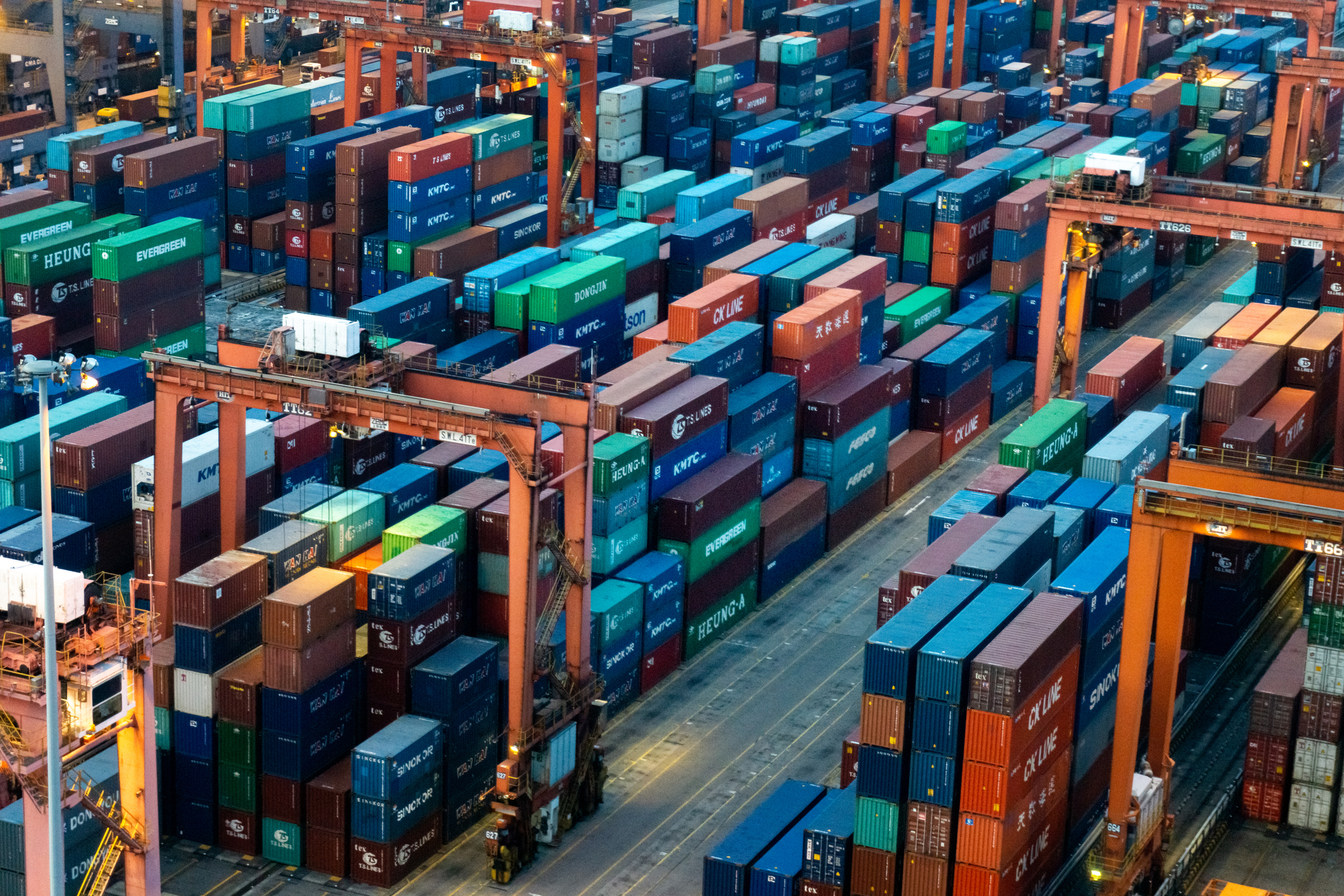
Washington, D.C. (February 4, 2025) - On February 1, 2025, President Trump issued three executive orders under the International Emergency Economic Powers Act (“IEEPA”) imposing substantial tariffs on imports from Mexico, Canada, and China. The new executive orders impose—in addition to any other duties, fees, exactions, charges, or existing tariffs—(i) a 10% ad valorem rate of duty (“tariff”) on imported “products of China”; (ii) a 25% tariff on all imported “products of Mexico”; and (iii) a 10% tariff on energy or energy resources and 25% for all other imported “products of Canada.” The term “energy or energy resources” is defined, per President Trump’s January 20, 2025, “National Energy Emergency” Executive Order, as “crude oil, natural gas, lease condensates, natural gas liquids, refined petroleum products, uranium, coal, biofuels, geothermal heat, the kinetic movement of flowing water, and critical minerals, as defined by 30 U.S.C. 1606 (a)(3).” The terms “products of China,” “products of Mexico,” and “products of Canada” are to be defined in forthcoming Federal Register notices.
As originally announced, the tariffs imposed by all three executive orders were to take effect beginning 12:01 a.m. EST, February 4, 2025, and to remain in place indefinitely; imports loaded onto their final mode of transport before entering the United States prior to 12:01 a.m. on February 1, 2025 would be exempt from the new tariffs, so long as the importer provides sufficient certification to U.S. Customs and Border Protection “as specified” in a forthcoming Federal Register notice. On February 3, 2025, President Trump and Mexican President Claudia Sheinbaum reached an agreement to delay the new tariffs on Mexican goods for one month. The same day, President Trump confirmed that the new tariffs on Canadian goods will be paused for 30 days in exchange for Canadian Prime Minister Justin Trudeau’s promise to increase funding to border security and to appoint a Canadian “border czar” to address fentanyl shipments and other cross-border issues. However, as of February 4, 2025, the new tariff on Chinese imports is in effect as originally announced.
The executive orders further state that the tariffs may “increase or expand in scope,” should Mexico, Canada, or China retaliate, the tariffs will not be subject to a “drawback,” and that “duty-free de minimis treatment under 19 U.S.C. § 1321 shall not be available” for any of the tariffed articles. The executive orders, however, do exclude from tariffs any articles encompassed by 50 U.S.C. § 1702(b): namely, certain (1) communications that do not involve a transfer of anything of value; (2) donations of food, clothing and medicine; (3) informational materials; and (4) transactions ordinarily incident to travel.
Retaliation from Canada, Mexico, and China:
In response to the threatened imposition of these tariffs, China, Canada, and Mexico have proposed retaliatory tariffs on goods imported from the United States.
Effective February 10, China will impose a 15% tariff on coal and liquefied natural gas imports from the United States and a 10% tariff on crude oil, agricultural machinery, pickup trucks, and large-engine cars. China also announced export controls on critical minerals, an antitrust investigation of Google, and its intent to challenge the United States’ tariffs before the World Trade Organization.
Canada and Mexico have also promised retaliatory tariffs on imports of U.S. goods, though such actions have been suspended for 30 days, pending negotiations with the United States. Specifically, Canada proposed an additional 25% tariff on its imports of certain identified “goods originating from the U.S.” including coffee, wine, orange juice, peanut butter, spirits, beer, apparel, footwear, motorcycles, appliances, cosmetics, and pulp and paper, among other items. Mexico similarly promised retaliatory tariffs on imports of U.S. goods, though did not specify a rate of duty or identify what goods the tariffs would apply to.
Tariff Authority:
President Trump issued the new tariffs under the authority of the IEEPA, a departure from the traditional use of Section 201, Section 232, or Section 301 tariffs. Unlike those authorities, the IEEPA does not mandate investigation or reporting requirements before implementing tariffs. This is the first time a President has imposed tariffs under the IEEPA, which is frequently cited as the basis for other international sanctions or restrictions, such as the imposition of blocking economic sanctions (see, e.g., our previous alert on IEEPA-related compliance). And unlike previous practice, the new tariffs provide neither de minimis treatment for low-value goods nor additional exemptions for particular sectors or products, despite considerable efforts by certain business groups to create such carve outs; these efforts may continue under the theory that the recent eleventh-hour “pauses” in implementation of the tariffs may provide some maneuvering room.
Lewis Brisbois’s attorneys are actively engaged in the wide range of legal issues in this area and are advising clients on managing legal and business risk as events continue to develop at an accelerated pace. Lewis Brisbois will provide a webinar in early March on the latest developments on and implications of the new tariffs. Visit our Ukraine Conflict, International Trade, Export, Import and Investment Controls & National Security Practice page for additional alerts in this area.
Authors:
George Leahy, Associate
Mamoun Mahayni, Associate
Rosario Palmieri, Partner
Editors:
Andrew Pidgirsky, Partner and Chair of Ukraine Conflict, International Trade, Export, Import and Investment Controls & National Security Practice
Jane C. Luxton, Managing Partner - Washington, D.C.
Related Practices
Related Attorneys
Partners
-

-

 832.548.3015
Associates
-



Latest News
- January 13, 2026 Shawn Schatzle Pens Law360 Expert Analysis On New York’s AVOID Act
- January 13, 2026 Francis Pileggi Speaks With Law360 Pulse For Article On Delaware Legal Leaders’ Predictions for 2026
- January 12, 2026 Lewis Brisbois Bolsters Firm Leadership With Highly Experienced Chief Administrative Officer Hire