North Carolina Supreme Court Finds ‘Direct Physical Loss’ for COVID-19 Shutdown Orders
In Pair of Decisions, North Carolina Supreme Court Says Losses From COVID-19 Shutdown Orders Can Trigger Coverage Under 'All Risk' Policies, But Are Excluded Under 'Contamination' Exclusion
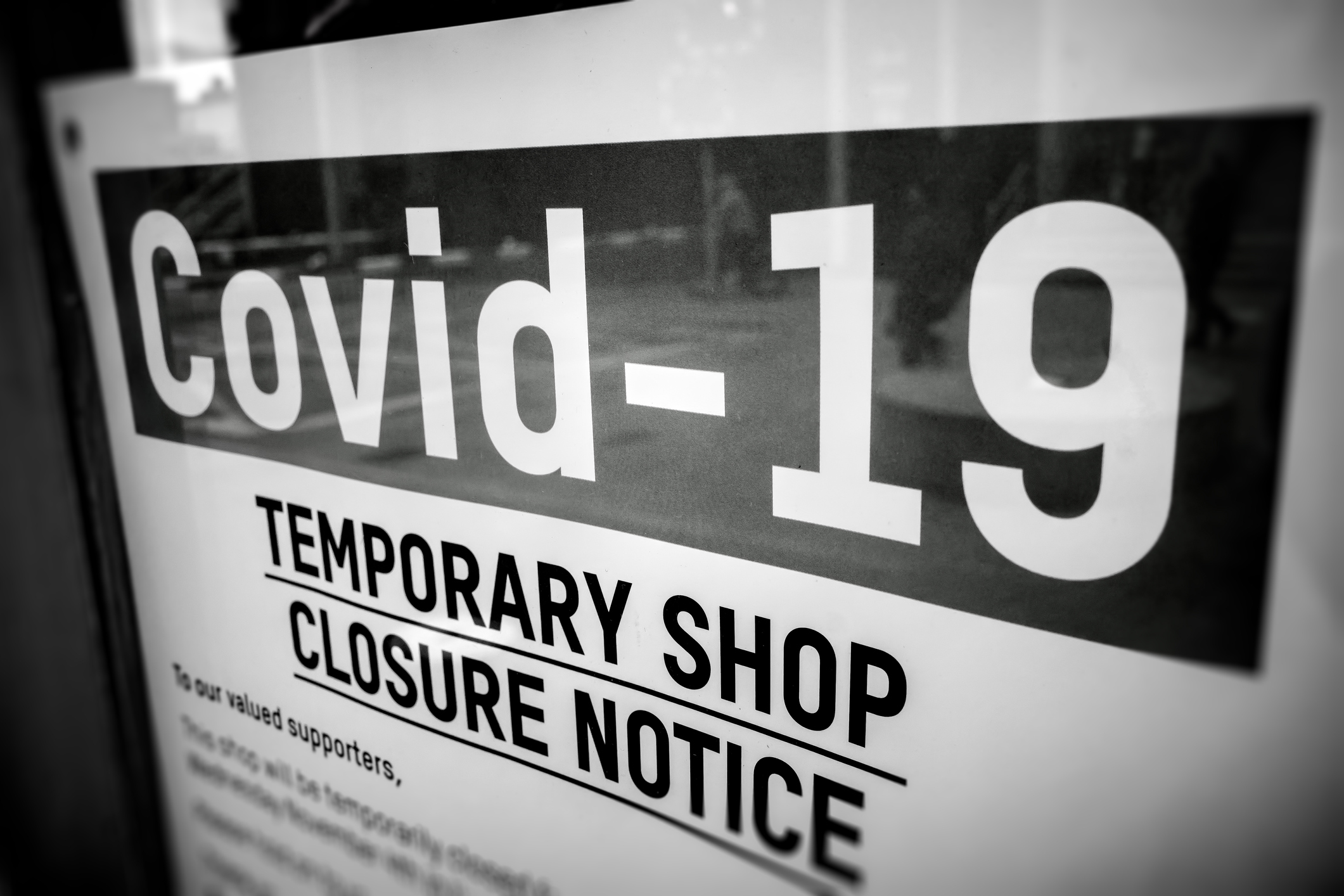
Charlotte, N.C. (December 16, 2024) - On Dec. 13, the North Carolina Supreme Court issued decisions in two COVID-19 business interruption coverage cases that will have far-reaching consequences for carriers doing business in the state. In one of the rulings, the state high court bucked an overwhelming national trend by holding that businesses’ inability to access or fully use their properties due to government shutdown orders may constitute a “direct physical loss” under an “all risk” property policy, while in the other, it found that a "contamination" exclusion barred coverage for losses resulting from the pandemic.
In 2020, North Carolina Gov. Roy Cooper issued sweeping Executive Orders limiting certain restaurants to only take-out service, among other restrictions.
One group of restaurants insured by Cincinnati Insurance under “all risk” insurance policies sought coverage for their lost revenues under such restrictions. The trial level court granted summary judgment in favor of the restaurants. The North Carolina Court of Appeals reversed, finding that loss of use due to such Executive Orders could not be a “direct physical loss”. Upon very rare “discretionary review”, the North Carolina Supreme Court on Dec. 13 issued its opinion in North State Deli, LLC, et al v. The Cincinnati Ins. Co., et al, No. 225PA21-2 (Dec. 13, 2024) finding that coverage existed under the all risk policy, and “Supplemental Business Income Coverage”.
The North Carolina Supreme Court described the nature of such “all risk” insurance, intended to cover any loss unless expressly excluded, and the many pages of such listed exclusions in the policy, despite dozens of definitions, did not define the term “direct physical loss”. The Court engaged in wide ranging hypotheticals, including other courts around the country addressing the same issue, such as if the odor of cat urine rendered a home unusable for human habitation but even it remained useful as a home for stray cats. Ultimately, the Court found that both the insured restaurants and the carrier made reasonable arguments for the intended scope. Based on this finding, and applying the well-established rules of insurance policy construction, the Court held two reasonable arguments rendered the policy language "ambiguous," and therefore interpreted the policy in favor of the insured and against the carrier, holding “direct physical loss” does not require tangible alteration to the property.
The Court's decision marks a definitive statement of North Carolina law on this heavily-litigated issue.
Notably, the North Carolina Supreme Court’s reasoning in North State Deli departs from that of scores of appellate-level decisions – including more than a dozen rulings by other state supreme courts - that have held that businesses’ losses due to COVID-19 shutdown orders do not constitute “direct physical loss.” The North Carolina high court acknowledged those rulings but stated that the array of definitions applied in those opinions “underscores that ‘direct physical loss’ has a range of reasonable interpretations—many of which include considerations of use, possession, and function that are implicated by virus-related government orders.”
In a related companion case decided the same day, Cato Corp. v. Zurich Am. Ins. Co., No. 353PA23 (Dec. 13, 2024), the insured Cato Corp., like the restaurant group in the North State Deli case, purchased “all risk” insurance policies, and sued when Gov. Cooper’s Executive Orders limited their store operations thereby causing revenue losses.
The trial court dismissed Cato’s claims on a 12(b)(6) motion, and the Court of Appeals affirmed, both relying on the now-reversed Court of Appeals ruling in North State Deli. While the Supreme Court affirmed, it applied different reasoning, in that while Cato alleged “direct physical loss” of its property, here the policy’s contamination exclusion unambiguously precluded coverage. Specifically, contamination and “any cost” associated with it, “including the inability to use or occupy property or any cost of making property safe or suitable for use or occupancy” is excluded by the policy. In turn, “contamination” is defined as “[a]ny condition of property due to the actual presence of any foreign substance, impurity, pollutant, hazardous material, poison, toxin, pathogen or pathogenic organism, bacteria, virus, disease causing or illness causing agent, Fungus, mold or mildew.” Under such analysis, “viral contamination is essentially what Cato alleges.” The Court then rejected Cato’s other arguments, such as that “state specific endorsements” covering operations in 31 different states contain different provisions which rendered the policy ambiguous.
This North State Deli case has the potential for wide and sweeping impacts upon the insurance industry in North Carolina. Must carriers now reserve for any claim of business interruption without physical loss? How can such risk even be priced or underwritten? Will some carriers simply stop writing in North Carolina? Will the legislature need to step in and fix this issue? Much remains to be seen.
Prudent insurance carriers writing in North Carolina should examine ALL of their current property policies, to check for similar language, and ALL pending property claims to see if they will be impacted by this new definition of “direct physical loss”.
Any carrier needing such insurance coverage legal advice and counsel can contact our attorneys at Lewis Brisbois in North Carolina with experience in these issues.
Author:
Jeremy Stephenson, Partner
Editor:
Philip Hinson, Managing Partner - Charlotte
Related Practices
Related Attorneys
Managing Partners
-

 704.926.3750
Partners
-



Latest News
- January 13, 2026 Shawn Schatzle Pens Law360 Expert Analysis On New York’s AVOID Act
- January 13, 2026 Francis Pileggi Speaks With Law360 Pulse For Article On Delaware Legal Leaders’ Predictions for 2026
- January 12, 2026 Lewis Brisbois Bolsters Firm Leadership With Highly Experienced Chief Administrative Officer Hire