The Department of Justice announced on October 6, 2021 the creation of a new Civil Cyber-Fraud Initiative to pursue penalties against government contractors who do not properly comply with the cybersecurity standards required by their contracts. This new risk, under the False Claims Act, means that CISOs should consult with their lawyers before starting cybersecurity compliance audits.
Read more »Latest Blog Posts
-
 Fraud Liability for Government Contractors with Lax Cybersecurity Posted on: October 22, 2021 In: Data Privacy & Cybersecurity
-
 Facing the “Quit and Sue” Scenario Posted on: October 06, 2021 In: Labor & Employment
Employers frequently face the scenario in which a former employee who resigned or quit sues for wrongful termination in violation of public policy, or other employment law theories, claiming the employer retaliated or discriminated against him or her. This is called the “quit and sue” lawsuit.
Read more »
-
 Lactation in the Workplace: What Employers Need to Know Posted on: September 23, 2021 In: Labor & Employment
Americans, including many new mothers, are returning to the workplace following pandemic shutdowns. Over 80% of U.S. mothers breastfeed their babies after giving birth, according to a 2016 study from the Centers for Disease Control. Over half of those mothers are still breastfeeding once their babies reach six months old. A complicated tapestry of federal and state laws affects employers of lactating mothers.
Read more »
-
 FTC Warns Health Apps, Connected Device Companies to Comply with Health Breach Notification Rule Posted on: September 22, 2021 In: Data Privacy & Cybersecurity
On September 15, 2021, the Federal Trade Commission (FTC) released a policy statement to offer guidance on the scope of its Health Breach Notification Rule (the Rule) in relation to health applications and connected devices. The Rule, issued in 2009, helps ensure entities not covered under the Health Insurance Portability and Accountability Act (HIPAA) are held accountable when consumers’ sensitive health information that has been entrusted to them is compromised.
Read more »
-
 OFAC September 2021 Advisory: Illusory Solutions to Soften the Enforcement Threat? Posted on: September 22, 2021 In: Data Privacy & Cybersecurity
On September 21, 2021, the United States Department of the Treasury’s Office of Foreign Assets Control (OFAC) released an updated advisory on potential sanctions risks for facilitating ransomware payments. The sanctions have been authorized by the International Emergency Economic Powers Act and the Trading with the Enemy Act with the purpose of disrupting funding for malicious cyber activities and limiting activities that may be adverse to U.S. national security and foreign policy objectives.
Read more »
-
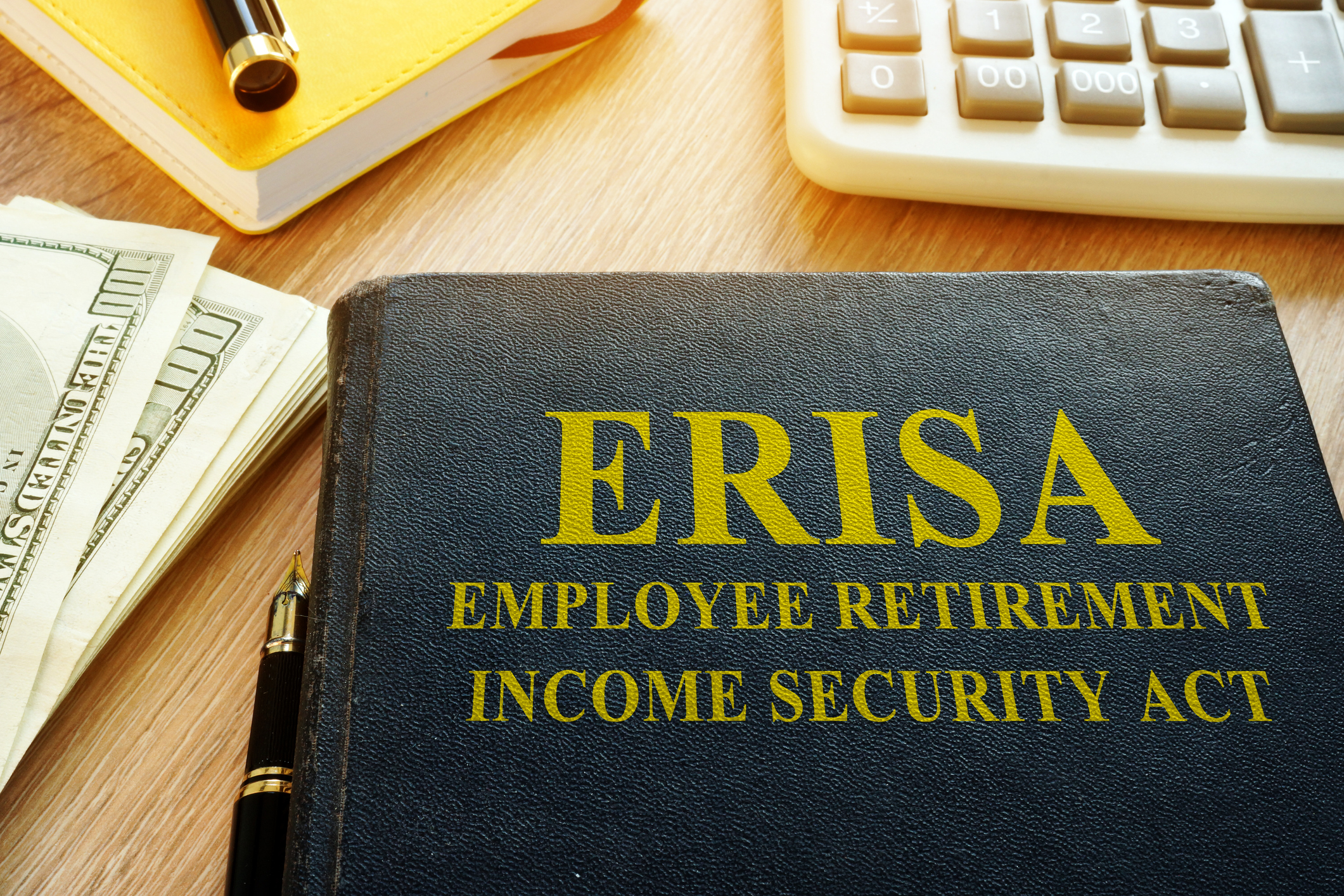 ERISA: Everything Ridiculous Imagined Since Adam, But Important Nonetheless Posted on: September 20, 2021 In: Labor & Employment
ERISA, also known as The Employee Retirement Income Security Act of 1974, is sometimes as confusing to judges as it is to lawyers. Therefore, it is not surprising that both large and small employers often fail to familiarize themselves with the basic tenets of ERISA before providing health insurance and other “welfare” benefits to their employees.
Read more »
-
 Massachusetts Minimum Wage: Things Are Looking Up Posted on: August 31, 2021 In: Labor & Employment
On January 1, 2021, Massachusetts increased its minimum wage to $13.50 per hour (from $12.75 per hour). The Bay State will continue to raise this wage annually in steps ($0.75 per year) to reach a minimum wage of $15.00 per hour in January 2023. Of note, there are numerous circumstances in which different wages may be paid.
Read more »
-
 Charlotte Enacts Non-Discrimination Ordinance: A Growing Trend Among Local Governments Posted on: August 27, 2021 In: Labor & Employment
Throughout the country, employers are being confronted with layers of laws that will likely further complicate the already complex task of managing a business. For example, on August 9, 2021, the Charlotte City Council amended its non-discrimination ordinance (NDO) to include broader anti-discrimination protections for individuals designated as “Protected Classes” by the city. The NDO created a new provision in the Charlotte City Code prohibiting employment discrimination by private employers.
Read more »
-
 China’s Personal Information Protection Law Brings Heightened Data Privacy Regulation to the People’s Republic Posted on: August 27, 2021 In: Data Privacy & Cybersecurity
On August 20, 2021, at the closing meeting of China’s National People’s Conference Standing Committee in Beijing, lawmakers approved the Personal Information Protection Law (PIPL). The PIPL legislates for the protection of personal information and will take effect on November 1, 2021. For businesses transacting with China, the PIPL promises a shift in the way cross-border business is done. This post covers key provisions of the new law to help businesses prepare for the enactment of this legislation.
Read more »
-
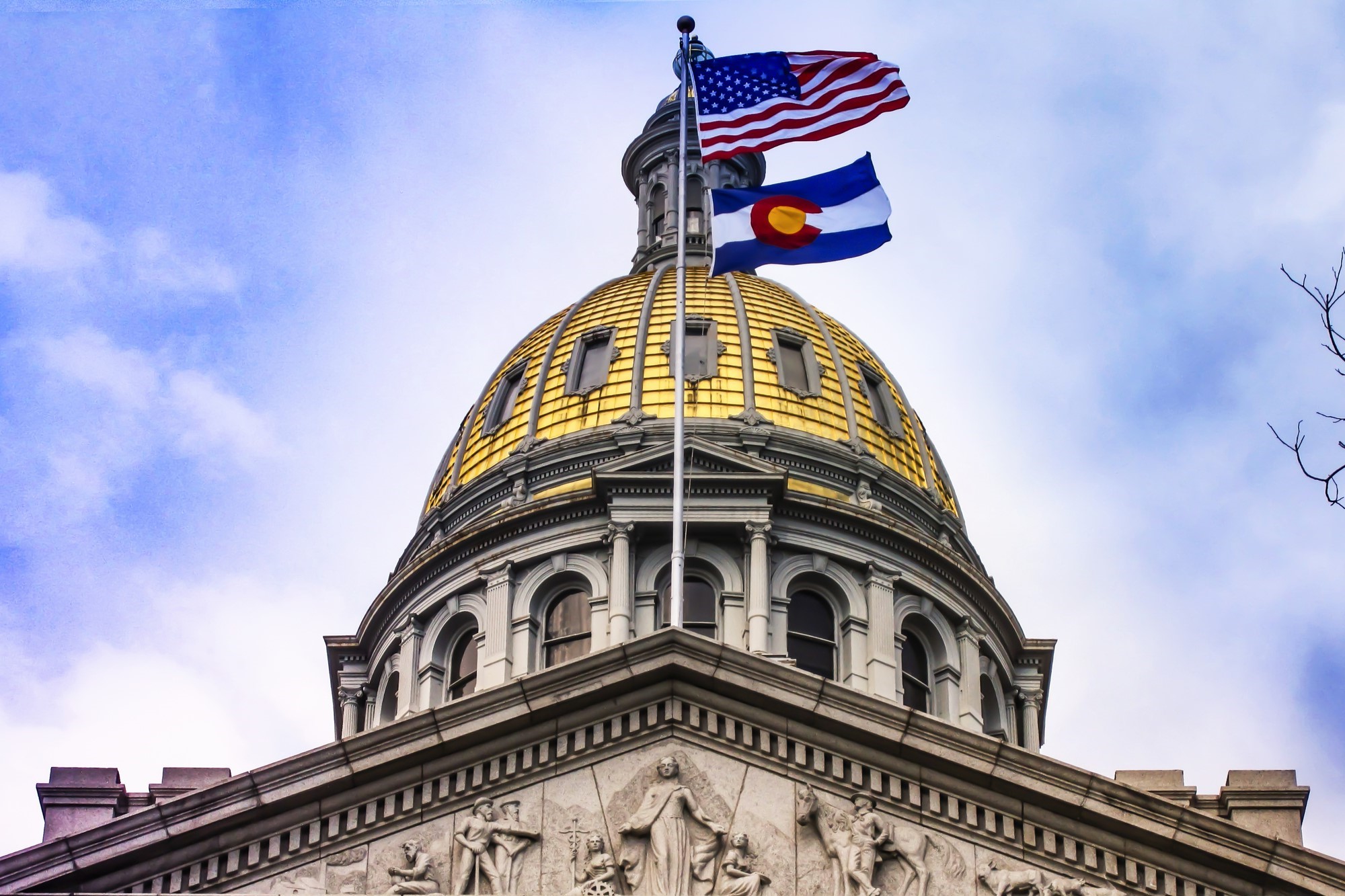 Important Updates on Colorado’s Equal Pay Transparency Rules Posted on: August 10, 2021 In: Labor & Employment
Colorado’s Equal Pay for Equal Work (EPEW) Act went into effect on January 1, 2021, prohibiting any employer from discriminating between employees on the basis of sex by paying an employee of one sex less than the rate paid to an employee of a different sex for substantially similar work. The Colorado Department of Labor and Employment (CDLE) recently adopted Equal Pay Transparency Rules, clarifying the internal and external job posting requirements of the EPEW Act for Colorado employers.
Read more »
-
 7 Helpful Tips for Interviewing Potential Employees Posted on: August 05, 2021 In: Labor & Employment
As many businesses look optimistically into the future, they may be eager to hire new employees. Here are seven tips to help employers reduce risk of liability in interviewing job applicants.
Read more »
-
 Colorado Enacts New Preferential Hiring Law for Veterans Posted on: July 30, 2021 In: Labor & Employment
On June 23, 2021, Colorado Governor Jared Polis signed a Veterans’ Hiring Preference law that will allow employers to show preference to veterans in hiring decisions in the Centennial State. Under the new law, C.R.S. § 8-1-153, private employers may enact a Veterans’ Preference Hiring Policy in which they prefer eligible veterans and eligible spouses of veterans over other applicants as long as the veteran or spouse is as qualified as other applicants.
Read more »


Blog Search
Featured Posts
- February 10, 2023 Historic Hermès Jury Verdict Paves Way for Digital Trademark Rights
- January 13, 2023 Sports Law: A Year in Review & What to Watch for in 2023
- January 06, 2023 Federal Trade Commission Cracks Down on Non-Compete Agreements
- December 06, 2022 Just In Time: Last Minute Compliance Tips for the CPRA and VCDPA
Blog Categories
Blog Tags
9th circuit
ada
america invents act
arbitration
breach notification
california
ccpa
college
college sports
colorado
compensation
compliance
congress
consumer data
consumer notification
copyright
coronavirus
covid-19
cpra
cybersecurity
cyber threat
data breach
data privacy
data security
disability
discrimination
dol
eeoc
employee handbook
employers
employment
employment agreements
employment law
equal pay
european union
executive order
family leave
fbi
federal circuit
florida
flsa
fmla
gdpr
hacking
healthcare
hipaa
hiring
human resources
identity theft
illinois
incident response
independent contractors
infringement
intellectual property
inter partes review
irs
labor law
legislative alert
litigation
malware
massachusetts
medical leave
minimum wage
multi-factor identification
ncaa
new jersey
new york
nil
nlrb
non-competition
osha
overtime
paga
paid leave
patent law
patents
payroll
personal data
personal information
phishing
privacy law
privacy protection patchwork
ptab
ransomware
reasonable accommodation
sexual harassment
sports
sports law
statute
student-athletes
student athletes
supreme court
title ix
title vii
trademark
trade secrets
virginia
wage and hour
washington
workplace safety