Title III of the Americans with Disabilities Act (ADA) prohibits discrimination on the basis of disability “in the full and equal enjoyment of the goods, services, facilities, privileges, advantages, or accommodations of any place of public accommodation.” Notably, this prohibition applies to both the built environment and to the policies and procedures affecting how a business provides goods and services to its customers.
Read more »Latest Blog Posts
-
 Enforcing Safety Measures While Maintaining Compliance with Title III of the Americans with Disabilities Act: Four Considerations Posted on: May 20, 2020 In: Labor & Employment
-
 Work-From-Home: Five Tips to Avoid Overtime Liability Posted on: May 11, 2020 In: Labor & Employment
By now, the coronavirus pandemic has caused considerable disruption to most employers. In light of various restrictions imposed under various stay-at-home orders, many employers have been forced to adopt Work-From-Home (WFH) policies on the fly, without the benefit of preparation or advice from legal counsel regarding potential liabilities that these policies can involve.
Read more »
-
 Supreme Court Holds PTAB Decisions Concerning One-Year Time Bar to File IPR Are Not Judicially Reviewable Posted on: May 11, 2020 In: Intellectual Property & Technology
In Thryv, Inc. v. Click-to-Call Technologies, LP, the Supreme Court of the United States overturned the Court of Appeals for the Federal Circuit, holding that 35 U.S.C. §314(d) precludes judicial review of Patent Trial and Appeals Board (PTAB) application of the one-year time bar in a decision to institute an inter partes review (IPR).
Read more »
-
 New York City Council Proposes Essential Workers’ Bill of Rights Posted on: May 08, 2020 In: Labor & Employment
In April, the New York City Council introduced a sweeping legislative package designed to aid small businesses, essential workers, tenants, and the homeless in the five boroughs during the ongoing COVID-19 pandemic. The package includes a series of bills the Council calls the “NYC Essential Workers’ Bill of Rights,” which would require large employers to provide additional protections and hazard pay to hourly workers assisting the city’s efforts to continue to operate during the COVID-19 pandemic.
Read more »
-
 EEOC Provides Guidance for Businesses Contemplating Return-to-Work Policies and Procedures Posted on: May 06, 2020 In: Labor & Employment
As the COVID-19 pandemic continues to unfold, employers are adjusting their practices on an ongoing basis in accordance with ever-changing government guidelines. Indeed, the United States Equal Employment Opportunity Commission (EEOC) recently updated its recommendations for how employers may comply with the Americans with Disabilities Act (ADA) and other employment laws as employees begin to return to work. This post summarizes the key elements of these updated guidelines.
Read more »
-
 Ninth Circuit Rules in Favor of Employers in FCRA and ADA Cases Posted on: May 05, 2020 In: Labor & Employment
The Ninth Circuit recently issued two important opinions favorable to employers – one clarifying the manner in which an employer must provide a Fair Credit Reporting Act (FCRA) disclosure, and another opening the door for the use of “after-acquired evidence” to bar liability in employment cases involving the Americans with Disabilities Act (ADA).
Read more »
-
 Trademark Lawsuits Used to Stop Exploitative Pricing Markup of Protective COVID-19 N95 Masks Posted on: April 29, 2020 In: Intellectual Property & Technology
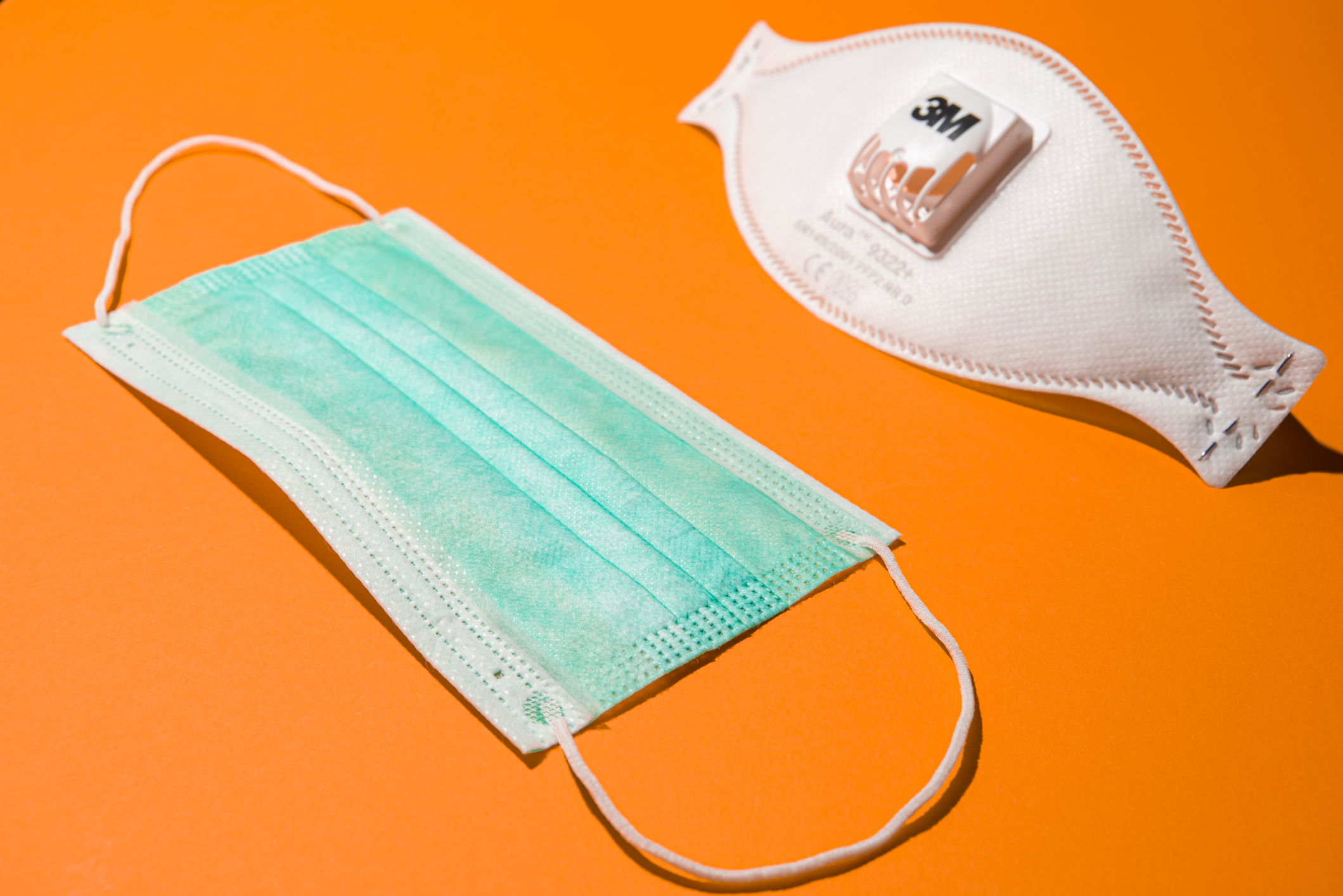
At a time when the world is grappling with the COVID-19 pandemic and the critical need for personal protective equipment, intellectual property owners have brought trademark infringement lawsuits to stop pandemic profiteers from price-gouging and engaging in other misleading tactics. These lawsuits demonstrate the power that intellectual property law has to protect valuable brands and stomp out outrageous conduct.
Read more »
-
 Federal Circuit Rules That a Jury Must Determine Visual Similarity Between Design Patent and Prior Art as Part of Obviousness Analysis Posted on: April 22, 2020 In: Intellectual Property & Technology
The Federal Circuit issued a precedent-setting ruling that clarifies the appropriate roles of judges and juries when a design patent is challenged as obvious. In doing so, the Court strengthened designers’ rights by confirming that, in certain situations, the question of whether a design patent and the prior art are visually the same should be sent to a jury rather than determined by a judge at the summary judgment phase of litigation.
Read more »
-
 Money for Nothin’ (If You’re Eligible): A Pandemic Response That ‘CARES’ Posted on: April 22, 2020 In: Labor & Employment
By now we have all probably heard that the Coronavirus Aid, Relief, and Economic Security Act, or CARES Act, which seeks to pump an estimated $2 trillion into the economy, was signed into law on March 27, 2020. But what about employees who have been told they cannot work because their employer has to cut back or completely shut down for an unknown amount of time? The following is a brief overview of the benefits available to those who are out of work as a result of the COVID-19 pandemic.
Read more »
-
 Legislative Alert: Washington Expands Definition of Personal Information for Public Agencies Posted on: April 22, 2020 In: Data Privacy & Cybersecurity
On March 18, 2020, Washington State Governor Jay Inslee signed into law Senate Bill 6187, which amends the state’s security breach notification statute as applicable to state and local agencies by expanding the definition of “personal information” to include the last four digits of an individual’s Social Security number.
Read more »
-
 Who May Petition for Post-Grant Review Under The AIA? Posted on: April 20, 2020 In: Intellectual Property & Technology
Under the America Invents Act of 2011 (AIA), any “person” other than the patent owner may challenge the patent owner’s patent(s) through post-grant review before the Patent Trial and Appeal Board. The patent statutes do not specifically define the term “person.” The presumption is that the term “person” does not include the federal government and its agencies.
Read more »
-
 Legislative Alert: D.C. Passes Security Breach Protection Amendment Act, Creating New Notice Requirements and Cybersecurity Safeguards Posted on: April 17, 2020 In: Data Privacy & Cybersecurity
On March 26, 2020, District of Columbia Mayor Muriel Bowser signed into law Act 23-268, known as the “Security Breach Protection Amendment Act of 2020.” The Act, which amends section 28 of Chapter 38 of the District of Columbia Code, broadens the existing definition of “personal information,” increases the breach notice contents requirements, provides attorney general notice requirements, and mandates cybersecurity safeguards.
Read more »


Blog Search
Featured Posts
- February 10, 2023 Historic Hermès Jury Verdict Paves Way for Digital Trademark Rights
- January 13, 2023 Sports Law: A Year in Review & What to Watch for in 2023
- January 06, 2023 Federal Trade Commission Cracks Down on Non-Compete Agreements
- December 06, 2022 Just In Time: Last Minute Compliance Tips for the CPRA and VCDPA
Blog Categories
Blog Tags
9th circuit
ada
america invents act
arbitration
breach notification
california
ccpa
college
college athletes
college sports
colorado
compensation
compliance
congress
consumer data
consumer notification
copyright
coronavirus
covid-19
cpra
cybersecurity
cyber threat
data breach
data privacy
data security
disability
discrimination
dol
eeoc
employee handbook
employers
employment
employment agreements
employment law
equal pay
european union
executive order
family leave
fbi
federal circuit
florida
flsa
fmla
gdpr
hacking
healthcare
hipaa
hiring
human resources
identity theft
incident response
independent contractors
infringement
intellectual property
inter partes review
irs
labor law
legislative alert
litigation
malware
marijuana
massachusetts
minimum wage
multi-factor identification
ncaa
new jersey
new york
nil
nlrb
non-competition
osha
overtime
paga
paid leave
patent law
patents
payroll
personal data
personal information
phishing
privacy law
privacy protection patchwork
ptab
ransomware
reasonable accommodation
sexual harassment
sports
sports law
statute
student-athletes
student athletes
supreme court
title ix
title vii
trademark
trade secrets
virginia
wage and hour
washington
workplace safety