 Intellectual Property & Technology Practice
Companies who make cleaning products sold in California should take note of a new law coming into effect on January 1, 2020, especially if their products are made from proprietary formulas or include ingredient mixtures that may qualify as company trade secrets.
Read more »Intellectual Property & Technology
-
 Cleaning Up With Trade Secrets Under California’s Right to Know Act Posted on: November 05, 2019 In: Intellectual Property & Technology
-
 Players v. Haters: Ninth Circuit Says Creativity a Matter of Fact in Taylor Swift Copyright Suit Posted on: October 29, 2019 In: Intellectual Property & Technology
Taylor Swift fans might need to calm down after yesterday’s decision out of the Ninth Circuit. In 2017, two songwriters sued Taylor Swift over the chorus of her hit song “Shake It Off,” alleging her song infringed the copyrighted lyrics in their song “Playas Gon’ Play,” released in 2001.
Read more »
-
 I Can’t Get Sued for Posting a Picture of Myself on Social Media… Can I? Posted on: October 17, 2019 In: Intellectual Property & Technology
The rise of social media has presented the courts with a seemingly never ending slew of counterintuitive, but probably valid claims. For example, the pop star Justin Bieber recently posted an image on his social media of himself and a friend in the backseat of a car. The photo, of course, was taken by a paparazzo undoubtedly lying in wait for just the right opportunity to snap the angst-ridden star. The photographer has now filed suit for copyright infringement against Mr. Bieber.
Read more »
-
 Supreme Court Agrees to Review Appealability of PTAB Time-Bar Rulings Posted on: June 28, 2019 In: Intellectual Property & Technology
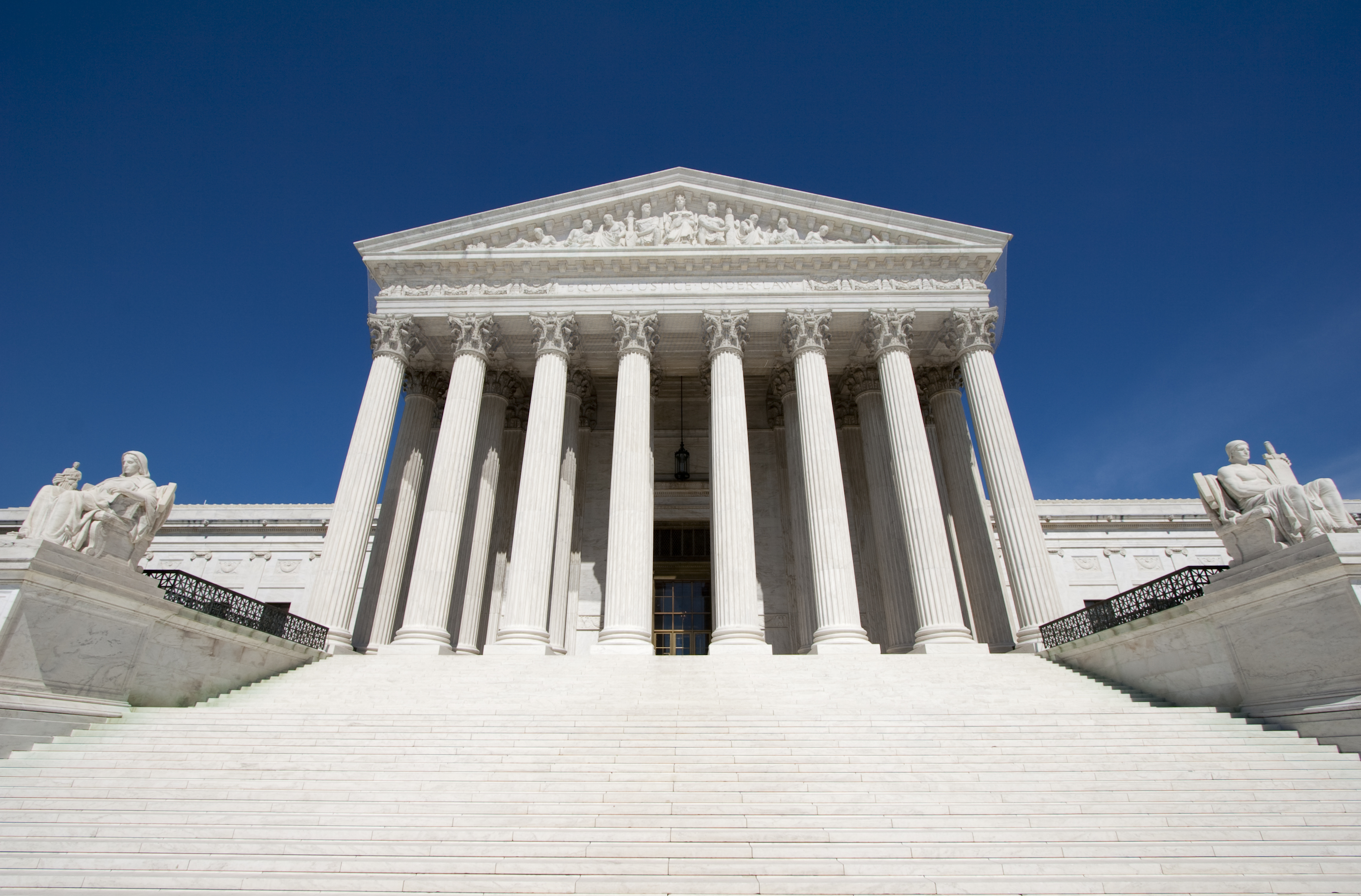
On June 24, 2019, the United States Supreme Court agreed to review the question of whether 35 U.S.C. § 314(d) permits appeal of the Patent Trial and Appeal Board’s (PTAB) decision to institute an inter partes review (IPR) upon finding that 35 U.S.C. § 315(b)’s 1-year time bar to file an IPR does not apply.
Read more »
-
 Supreme Court Declines to Hear ReDigi First Sale Doctrine Case Posted on: June 28, 2019 In: Intellectual Property & Technology
Despite the potentially important impact of the Second Circuit’s decision in Capitol Records, LLC v. ReDigi Inc. on the digital music industry, the United States Supreme Court has denied ReDigi’s petition to review the Second Circuit’s refusal to apply the First Sale Doctrine to the transfer of digital music files.
Read more »
-
 SCOTUS: Free Speech Permits Registration of ‘Immoral or Scandalous’ Trademarks Posted on: June 25, 2019 In: Intellectual Property & Technology
On June 24, 2019, the United States Supreme Court ruled that the US Patent and Trademark Office (PTO) had violated applicant Erick Brunetti’s First Amendment right to free speech by denying him federal registration of the mark “FUCT” for use in his clothing line. In Iancu v. Brunetti, the Court held the Lanham Act’s prohibition on the registration of trademarks that “consist of or comprise immoral or scandalous matter” as unconstitutional.
Read more »
-
 Claims with Precise Numerical Values - A Cautionary Tale Posted on: June 06, 2019 In: Intellectual Property & Technology
On March 31, 2019, the Federal Circuit Court of Appeals in Cobalt Boats, LLC v. Brunswick Corporation reversed a finding of infringement and vacated a $7.9 million award (inclusive of $2.5 million in attorneys’ fees) previously granted by the Eastern District of Virginia. Cobalt accused Brunswick of infringing their U.S. Patent No. 8,375,880 (the ‘880 patent) directed to a Retractable Step for Boat Swim Platform, issued February 19, 2013.
Read more »
-
 Privilege Review Presents Unique Challenges In Intellectual Property Cases Posted on: June 03, 2019 In: Intellectual Property & Technology
Intellectual property (IP) litigation typically requires review and production of large volumes of documents and electronically stored information (ESI). The evolution of ESI has greatly multiplied the number of documents and the coincident broadening of the attorney-client, work product, joint defense, and other privileges has made it much more difficult to identify and remove all privileged documents from production, even after the introduction of rules designed to lessen the burden presented by large ESI
Read more »
-
 Supreme Court Issues Major Ruling on the Ongoing Viability of Trademark Licenses by Bankrupt Entities Posted on: May 20, 2019 In: Intellectual Property & Technology
At issue in Mission Product Holding v. Tempnology, LLC, was whether a licensee whose license agreement was "rejected" by the bankrupt debtor licensor was permitted to continue using the trademark that was the subject of the license. The debtor/licensor wanted the licensee to cease ongoing usage of the mark and cited to the bankruptcy law's tool of rejection as the basis for doing so. However, the U.S. Supreme Court rejected the proposition that the licensee had to cease usage.
Read more »
-
 What Wearable Tech Could Mean for Sports as “Hot News”: A Lesson from the Alliance of American Football Posted on: May 17, 2019 In: Intellectual Property & Technology
On April 2, 2019, in the middle of its inaugural season, the nascent Alliance of American Football (AAF) ceased all operations. Within weeks the AAF filed for Chapter 7 bankruptcy, leaving in its wake new technologies that might one day reshape the world of professional sports.
Read more »
-
 Patent Litigation Trends in the Wake of TC Heartland Posted on: April 25, 2019 In: Intellectual Property & Technology
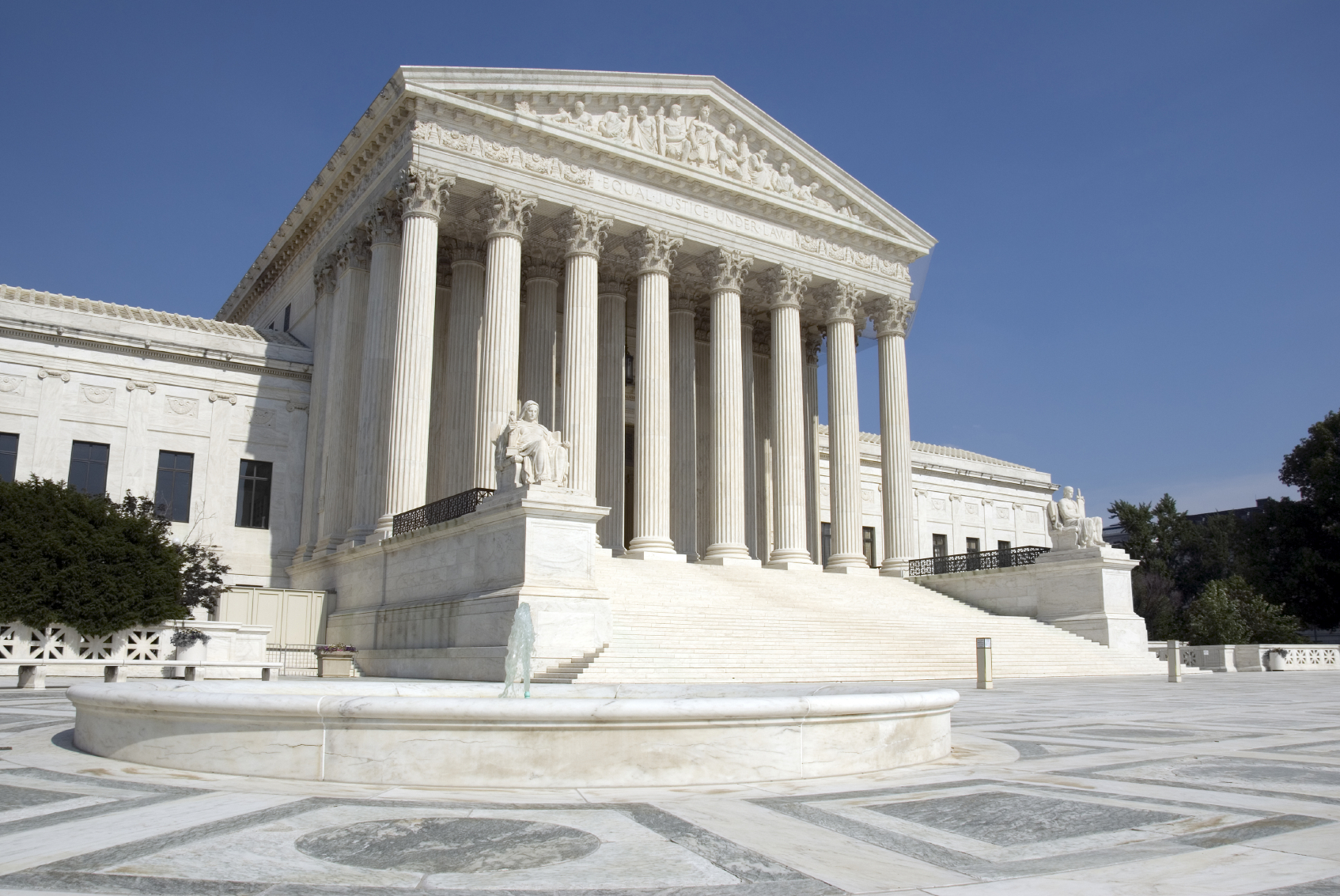
In May 2017, the Supreme Court issued TC Heartland v. Kraft Foods Group Brands, a decision that many expected would significantly limit forum shopping in patent cases. Prior to that case, patentees could file infringement lawsuits in any court with personal jurisdiction over the accused infringer, so most corporations were subject to suit in every district court.
Read more »
-
 The Ongoing Evolution Of Patent Venue Posted on: March 21, 2019 In: Intellectual Property & Technology
A refresher and update on the ongoing evolution of what constitutes proper venue in a patent case. For over 20 years, venue in a patent case was proper in essentially any court in the United States. That all changed in May 2017 when the Supreme Court held in TC Heartland LLC v. Kraft Food Grp. Brands, LLC that 28 U.S.C. §1400(b) is the sole and exclusive venue provision for patent infringement actions, and cannot be supplemented by the general venue statute at 28 U.S.C. §1391.
Read more »


Blog Search
Featured Posts
- February 10, 2023 Historic Hermès Jury Verdict Paves Way for Digital Trademark Rights
Blog Tags
2nd circuit
7th circuit
9th circuit
america invents act
anheuser-busch
anti-raiding
attorney-client privilege
bankruptcy
birkin
blockchain
cafc
california
cease and desist
cleaning product right to know act
clinical trials
copyright
copyright office
copyright registration
coronavirus
covid-19
crca
delaware
design patent
design rights
digital assets
digital music
discovery
doctrine of equivalents
document review
electronic filing
email
employment law
enhanced damages
experimentation
federal circuit
federal courts
first amendment
first sale doctrine
foreign filing
free speech
full costs
hermès
hhs
highly sensitive documents
hot news
howey test
huawei
immoral or scandalous
infringement
intellectual property
inter partes review
inventor
ip
ipr sovereign immunity
ipr time-bar
lanham act
led zeppelin
litigation
misappropriation
molson-coors
music
nda
nft
ninth circuit
non-solicitation
on-sale doctrine
oracle
patent
patent application
patent infringement
patent law
patent litigation
patents
pirate ship
post-grant review
precise numerical values
products liability
professional sports
proprietary formula
ptab
redigi
rogers test
sec
securities
social media
sovereign immunity
specimens
supreme court
taylor swift
technology
trade dress
trademark
trademark application
trademark law
trade secrets
uniform trade secrets act
uspto
utility patent
venue
wearable technology