 Labor & Employment Practice
On March 7, 2019, the U.S. Department of Labor announced a new rule that will make millions of workers eligible for overtime under the Fair Labor Standards Act (FLSA). This is not a final rule yet, although it is expected to go into effect in late 2019 or early 2020.
Read more »Labor & Employment
-
 What You Need to Know About the DOL’s Proposed Changes to the FLSA Exemption Test Posted on: July 02, 2019 In: Labor & Employment
-
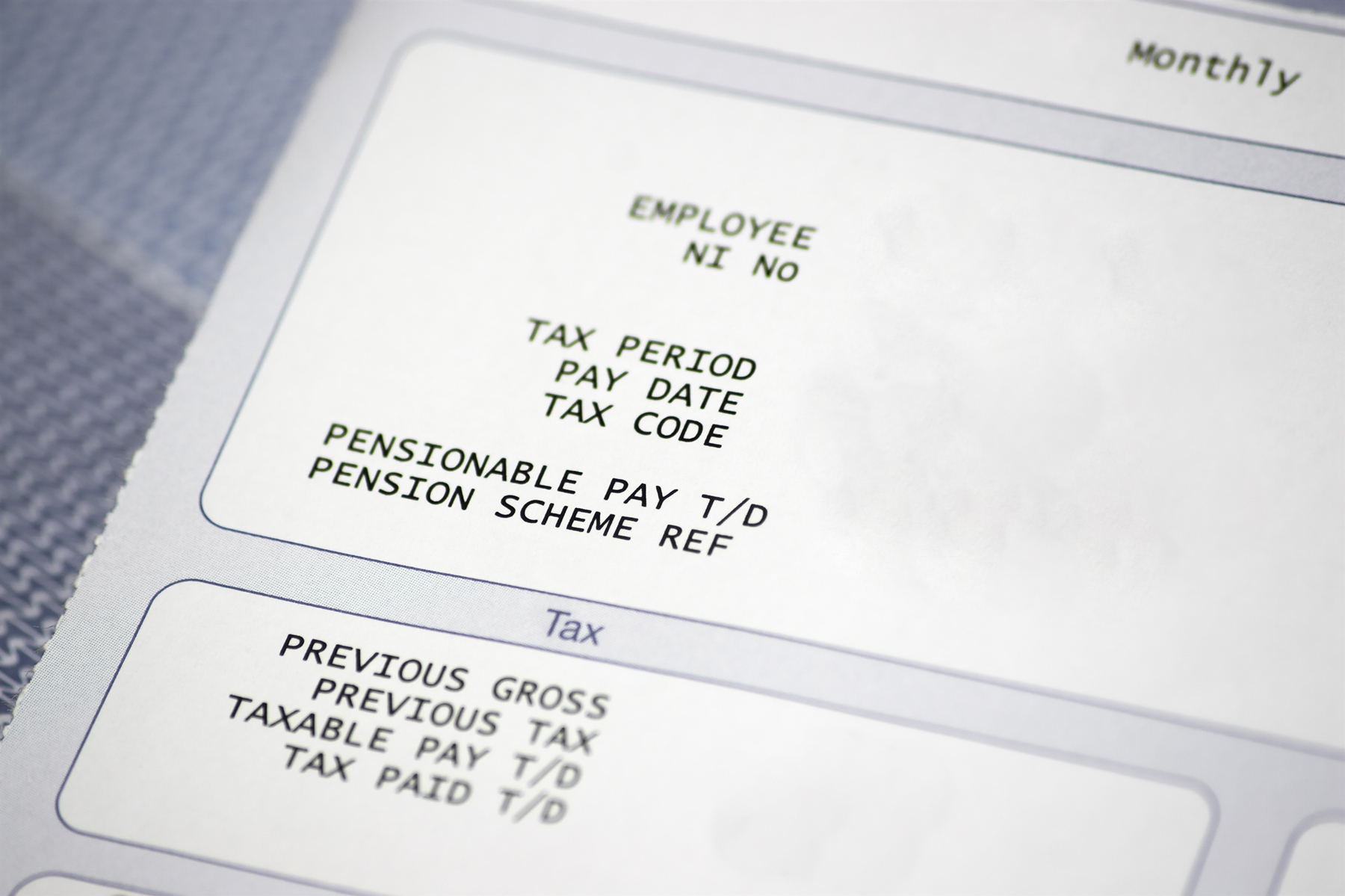 5 Tips to Avoid Wage & Hour Liability in California Posted on: June 26, 2019 In: Labor & Employment
Wage and hour litigation is an area of law that is incredibly nuanced, but incredibly important. Every California employer is faced with the daunting task of avoiding liability for wage and hour law violations. Fortunately, employers can greatly reduce the risk of exposure by following these five simple tips.
Read more »
-
 Colorado’s Equal Pay for Equal Work Act: What Employers Need to Know Before 2021 Posted on: June 18, 2019 In: Labor & Employment
On Wednesday, May 23, 2019, Colorado Governor Jared Polis signed into law Senate Bill 19 085 (also known as the Colorado Equal Pay for Equal Work Act), which imposes new, stringent obligations on Colorado employers as to hiring practices, promotion procedures, and record-keeping requirements. Importantly, this new law becomes effective on January 1, 2021.
Read more »
-
 In Colorado, Employers May Assert Concurrent Claims for Civil Theft & Breach of Contract Against Employees Posted on: June 13, 2019 In: Labor & Employment
The Colorado Supreme Court recently resolved a philosophical split within the lower courts as to whether claimants are barred from pursuing both civil theft and breach of contract claims in the same litigation, and answered in the negative. The ruling has broad implication across the spectrum of employment litigation throughout the state.
Read more »
-
 A Human Resources Challenge – The Insider Threat To Data Assets Posted on: June 10, 2019 In: Labor & Employment
On April 23, 2019, a privacy notification by the FBI stated that U.S. businesses are reporting a significantly increased amount of data loss as a result of insider threat actors. Companies should not assume that this warning falls squarely within the domain of their Information Technology or Chief Information Security Departments. The vast majority of data-loss incidents have a human component, so what can HR departments contribute to minimize the “Insider Threat”?
Read more »
-
 Understanding the Medical Loss Ratio Under the ACA: A Guide to Allocating and Distributing the Received Premium Rebate - Part 2 of 2 Posted on: June 06, 2019 In: Labor & Employment
What Constitutes a “Plan Asset” and How Do Employers Allocate and Distribute a Premium Rebate When the Employees’ Contribution to the Group Health Plan is Treated as a Plan Asset? The premium rebate an employer receives from their health insurance provider may be considered a “plan asset.” Under, and subject to, the Employee Retirement Income Security Act (ERISA), if the rebate is considered a “plan asset,” then it must be used within three months of when it is received by the plan sponsor.
Read more »
-
 Understanding the Medical Loss Ratio Under the ACA: A Guide to Allocating and Distributing the Received Premium Rebate - Part 1 of 2 Posted on: June 05, 2019 In: Labor & Employment
What Should Employers Know About the “Affordable Care Act” and the Medical Loss Ratio? These days, with readily available access to various political and social media platforms, one may find that the phrase “Affordable Care Act” has evolved into a “buzzword” occasionally used to promote a partisan agenda. Regardless of the current political climate and differences in opinions, most employers should have a general understanding and knowledge of the medical loss ratio under the Affordable Care Act (ACA).
Read more »
-
 Does ‘Compensation’ Mean ‘Pay’ Under California Law? Posted on: May 29, 2019 In: Labor & Employment
Overtime laws vary by states. For instance, overtime under California law is calculated based on the “regular rate of pay.” This includes all forms of remuneration, such as non-discretionary bonuses, piece-rates, commissions, etc. Conversely, with respect to meal and rest periods, California law states that these must be paid at an employee’s “regular rate of compensation.” However, California law does not define what regular rate of compensation means.
Read more »
-
 Non-Competition Agreements – Bracing Yourself Against the Winds of Change Posted on: May 23, 2019 In: Labor & Employment
As noted in our May 10 client alert, Washington has now joined several other states (Idaho, Utah, Massachusetts, Nevada, Oregon, New Mexico, and Illinois) that have recently amended their non-compete statutes to provide more protections for employees. The Washington statute is instructive for employers because, in addition to a new wage threshold, it contains several of the restrictions or limitations that are trending in proposed legislation across the country.
Read more »
-
 Non-Competition Agreements, Part 2: Making It Hard to Say Goodbye Posted on: May 14, 2019 In: Labor & Employment
Like any relationship, a separation between an employer and employee can be difficult. It can be even worse if one party is surprised by the separation. Non-competition agreements are an important tool for employers to help mitigate the difficulties of employment separation, especially when it is the employee doing the leaving. Here are three tips for employers using or thinking about using non-competition agreements/
Read more »
-
 3 Tips to Help Your Business Acclimate to the New Landscape of Legal Marijuana Posted on: May 09, 2019 In: Labor & Employment
Amazing though it may seem, we are living in the brave new world of legalized marijuana, a development that just a few years ago was likely unthinkable to the average employer. In 2019, ten states and Washington, D.C. have legalized recreational marijuana for adults over 21, while 33 states have legalized medical marijuana. More states, such as Illinois, are expected to legalize recreational marijuana soon. Employers must acclimate to the rapidly-changing drug landscape. Here are three helpful tips to get
Read more »
-
 Bring-Your-Own-Device Policies: What Employers Need to Know Posted on: May 08, 2019 In: Labor & Employment
Chances are good that you’re reading this on a smartphone or other mobile device. It’s also likely that a great deal of your workforce currently uses their smartphone or other mobile device in performing job duties. As such, many employers are either expressly or impliedly implementing Bring-Your-Own-Device (BYOD) policies that allow workers to use their own devices for work-related tasks.
Read more »


Blog Search
Featured Posts
- January 06, 2023 Federal Trade Commission Cracks Down on Non-Compete Agreements
Blog Tags
4th circuit
9th circuit
ada
arbitration
artificial intelligence
at-will employment
california
ccpa
cfra
civil rights
colorado
compensation
compliance
congress
connecticut
coronavirus
covid-19
cpra
data privacy
data security
department of labor
disability
discrimination
dol
dress code
eeoc
employee benefits
employee handbook
employers
employment
employment agreements
employment law
equal pay
equal pay act
executive order
family leave
fcra
firing
florida
flsa
fmla
ftc
hacking
hairstyle
healthcare
health insurance
hiring
holiday season
human resources
illinois
independent contractors
information security
labor
labor law
lay off
legislative alert
litigation
marijuana
maryland
massachusetts
medical leave
medical marijuana
minimum wage
new jersey
new mexico
new york
new york city
nlrb
non-competition
non-solicitation
osha
overtime
paga
paid leave
payroll
pennsylvania
personal information
reasonable accommodation
reduction in force
regulations
retaliation
retirement
sexual harassment
social media
supreme court
technology
termination
texas
tip credit
tipped employees
title ix
title vii
trade secrets
unions
wage and hour
wages
washington
white collar
workplace safety
wrongful termination