 Labor & Employment Practice
In recent years, more than 30 states and 150 local governments have enacted “Ban-The-Box” legislation limiting how and when employers may inquire about an applicant’s criminal history. Despite the obvious pros of this Ban-The-Box legislation, it was not until the passage of the Fair Chance to Compete for Jobs Act, as part of the National Defense Authorization Act in December 2019, that there was any meaningful guidance from our federal legislators on the topic.
Read more »Labor & Employment
-
 Ban-The-Box Update on the Use of Criminal History in Hiring Decisions Posted on: February 08, 2022 In: Labor & Employment
-
 Reinstatement is Back on the Menu Posted on: January 05, 2022 In: Labor & Employment
Nearly every single EEOC Charge of Discrimination filed by a former employee is resolved with the employment relationship permanently severed. In nearly all cases, after pursing litigation, both parties are happy to go their separate ways. However, the Tenth Circuit recently held that “reinstatement is the preferred remedy and should be ordered whenever it is appropriate.”
Read more »
-
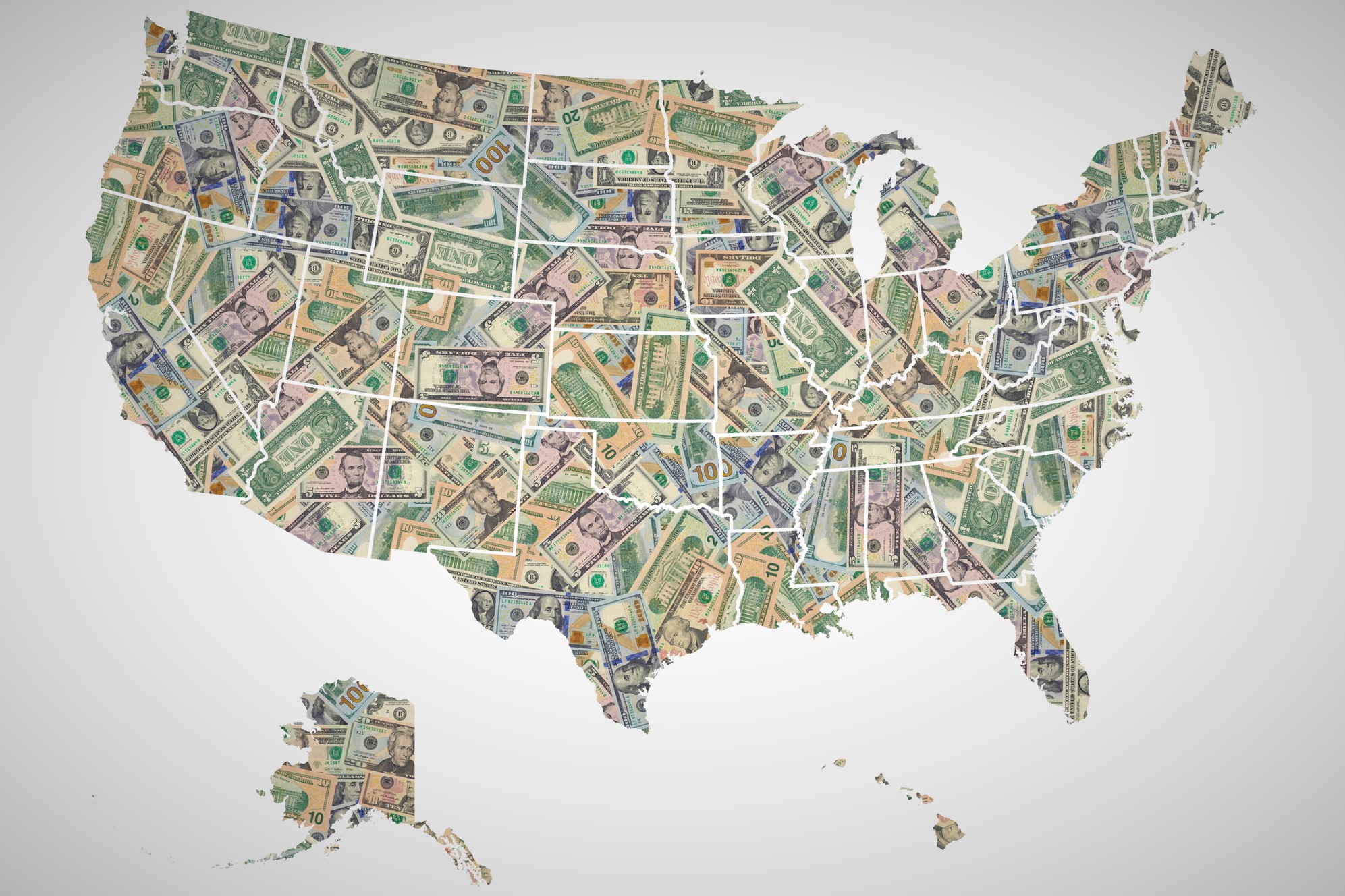 Which States Are Paying More Money in 2022: An Overview of Minimum Wage Increases Across the Country Posted on: December 15, 2021 In: Labor & Employment
As 2021 begins to wind down, employees in many states can look forward to a raise in the new year as minimum wage rate increases take effect across the country in January 2022. This post lists the new minimum wage rates for those states, including information about tipped workers and tip credits.
Read more »
-
 New Electronic Monitoring Disclosures for New York Employers Posted on: November 18, 2021 In: Labor & Employment
Many employers have already acted wisely by adopting policies to advise their employees that the employer reserves the right to engage in electronic monitoring of employee communications by phone and email, as well as employee internet access and usage. Effective May 7, 2022, New York employers will be obligated to adopt and enforce such policies if they do engage in such monitoring.
Read more »
-
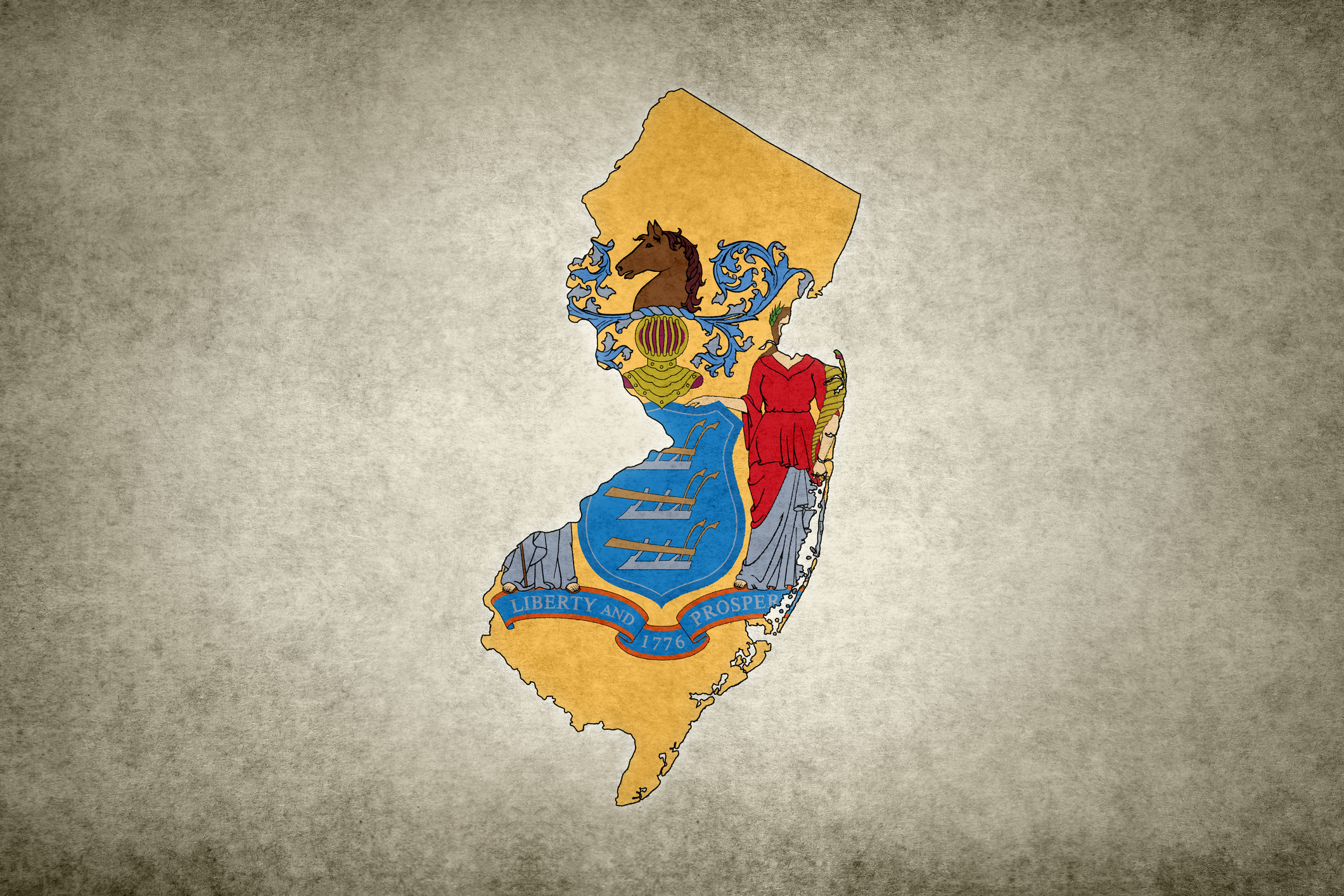 New Jersey Adds Age Discrimination Protections for Workers Aged 70 and Older Posted on: November 17, 2021 In: Labor & Employment
On October 5, 2021, New Jersey Governor Phil Murphy signed into law legislation that provides new protections for persons aged 70 and older under the umbrella of the New Jersey Law Against Discrimination (LAD). The new law is designed to enable older workers to “retire by their own volition” and protect their financial independence. The law is effective immediately.
Read more »
-
 What Employers Need to Know About New York’s Expanded Paid Family Leave Law Posted on: November 15, 2021 In: Labor & Employment
On November 1, 2021, New York Governor Kathy Hochul signed into law a bill to expand New York’s Paid Family Leave Law to cover paid time off to care for siblings. The bill, Legislation S.2928-A/A.06098-A, does not go into effect until January 1, 2023. Nevertheless, employers should begin preparing for compliance with the updated law as the new year will be upon us very soon.
Read more »
-
 Facing the “Quit and Sue” Scenario Posted on: October 06, 2021 In: Labor & Employment
Employers frequently face the scenario in which a former employee who resigned or quit sues for wrongful termination in violation of public policy, or other employment law theories, claiming the employer retaliated or discriminated against him or her. This is called the “quit and sue” lawsuit.
Read more »
-
 Lactation in the Workplace: What Employers Need to Know Posted on: September 23, 2021 In: Labor & Employment
Americans, including many new mothers, are returning to the workplace following pandemic shutdowns. Over 80% of U.S. mothers breastfeed their babies after giving birth, according to a 2016 study from the Centers for Disease Control. Over half of those mothers are still breastfeeding once their babies reach six months old. A complicated tapestry of federal and state laws affects employers of lactating mothers.
Read more »
-
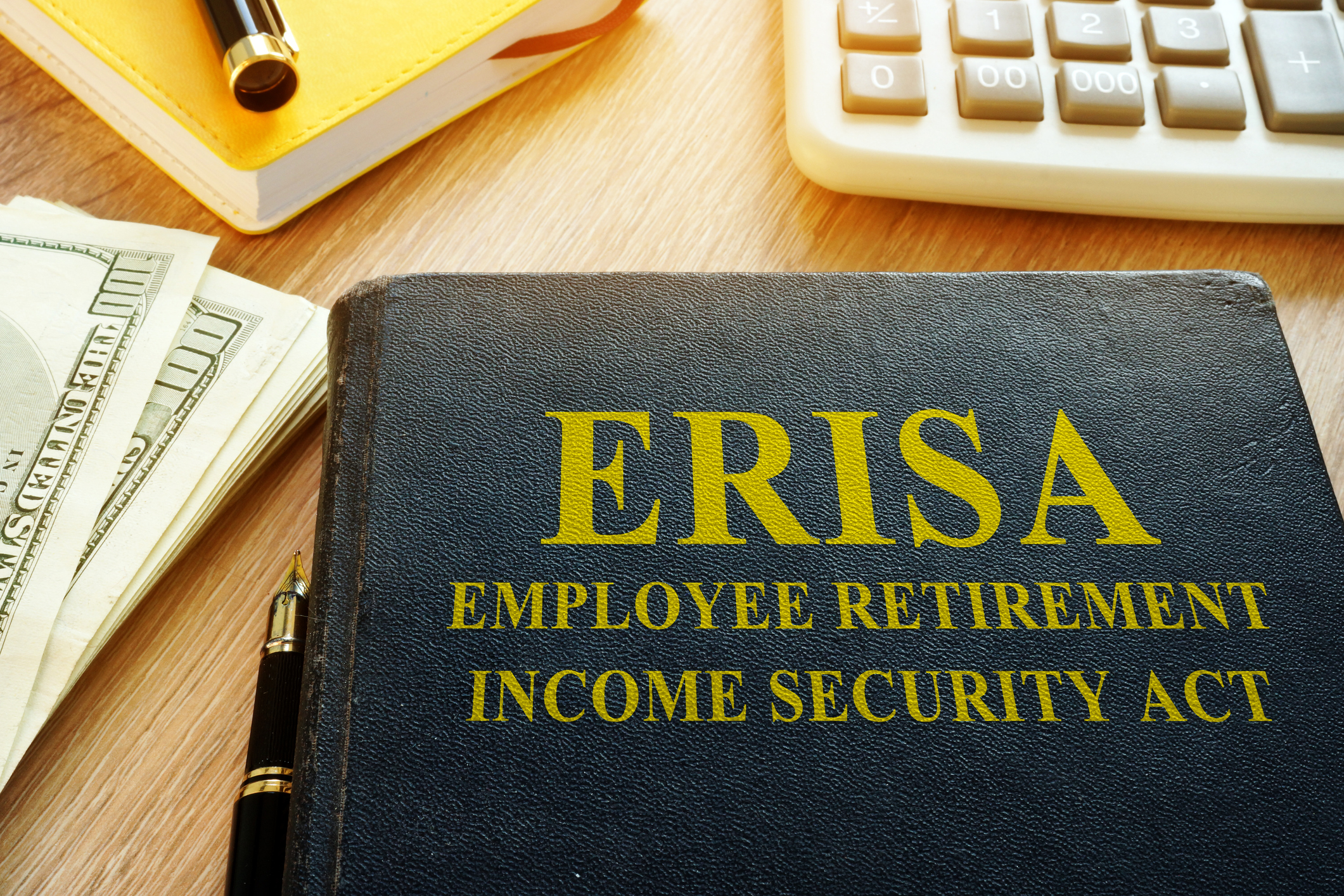 ERISA: Everything Ridiculous Imagined Since Adam, But Important Nonetheless Posted on: September 20, 2021 In: Labor & Employment
ERISA, also known as The Employee Retirement Income Security Act of 1974, is sometimes as confusing to judges as it is to lawyers. Therefore, it is not surprising that both large and small employers often fail to familiarize themselves with the basic tenets of ERISA before providing health insurance and other “welfare” benefits to their employees.
Read more »
-
 Massachusetts Minimum Wage: Things Are Looking Up Posted on: August 31, 2021 In: Labor & Employment
On January 1, 2021, Massachusetts increased its minimum wage to $13.50 per hour (from $12.75 per hour). The Bay State will continue to raise this wage annually in steps ($0.75 per year) to reach a minimum wage of $15.00 per hour in January 2023. Of note, there are numerous circumstances in which different wages may be paid.
Read more »
-
 Charlotte Enacts Non-Discrimination Ordinance: A Growing Trend Among Local Governments Posted on: August 27, 2021 In: Labor & Employment
Throughout the country, employers are being confronted with layers of laws that will likely further complicate the already complex task of managing a business. For example, on August 9, 2021, the Charlotte City Council amended its non-discrimination ordinance (NDO) to include broader anti-discrimination protections for individuals designated as “Protected Classes” by the city. The NDO created a new provision in the Charlotte City Code prohibiting employment discrimination by private employers.
Read more »
-
 Important Updates on Colorado’s Equal Pay Transparency Rules Posted on: August 10, 2021 In: Labor & Employment
Colorado’s Equal Pay for Equal Work (EPEW) Act went into effect on January 1, 2021, prohibiting any employer from discriminating between employees on the basis of sex by paying an employee of one sex less than the rate paid to an employee of a different sex for substantially similar work. The Colorado Department of Labor and Employment (CDLE) recently adopted Equal Pay Transparency Rules, clarifying the internal and external job posting requirements of the EPEW Act for Colorado employers.
Read more »


Blog Search
Featured Posts
- January 06, 2023 Federal Trade Commission Cracks Down on Non-Compete Agreements
Blog Tags
4th circuit
9th circuit
abc test
ada
arbitration
artificial intelligence
at-will employment
california
ccpa
cfra
civil rights
colorado
compensation
compliance
congress
connecticut
coronavirus
covid-19
cpra
crown act
data privacy
data security
department of labor
disability
discrimination
dol
dress code
eeoc
employee benefits
employee handbook
employers
employment
employment agreements
employment law
equal pay
equal pay act
eu
executive order
family leave
fcra
florida
flsa
fmla
ftc
hacking
hairstyle
healthcare
health insurance
hiring
holiday season
human resources
illinois
independent contractors
labor
labor law
legislative alert
lgbtq+
litigation
marijuana
massachusetts
medical leave
medical marijuana
minimum wage
new jersey
new mexico
new york
new york city
ninth circuit
nlrb
non-competition
osha
overtime
paga
paid leave
payroll
pennsylvania
personal information
protected class
reasonable accommodation
regulations
retaliation
retirement
sexual harassment
social media
supreme court
technology
termination
texas
tip credit
tipped employees
title ix
title vii
trade secrets
unions
wage and hour
wages
washington
white collar
workplace safety
wrongful termination