Often, employers do not learn the extent of a former employee’s misconduct until after the employer ends the employment relationship or the employee resigns. This information may be useful if the former employee pursues litigation against the employer because it can be used as the basis for asserting the after-acquired evidence defense.
Read more »Latest Blog Posts
-
 After-Acquired Evidence: The Importance of Documenting Employee Misconduct Posted on: March 15, 2019 In: Labor & Employment
-
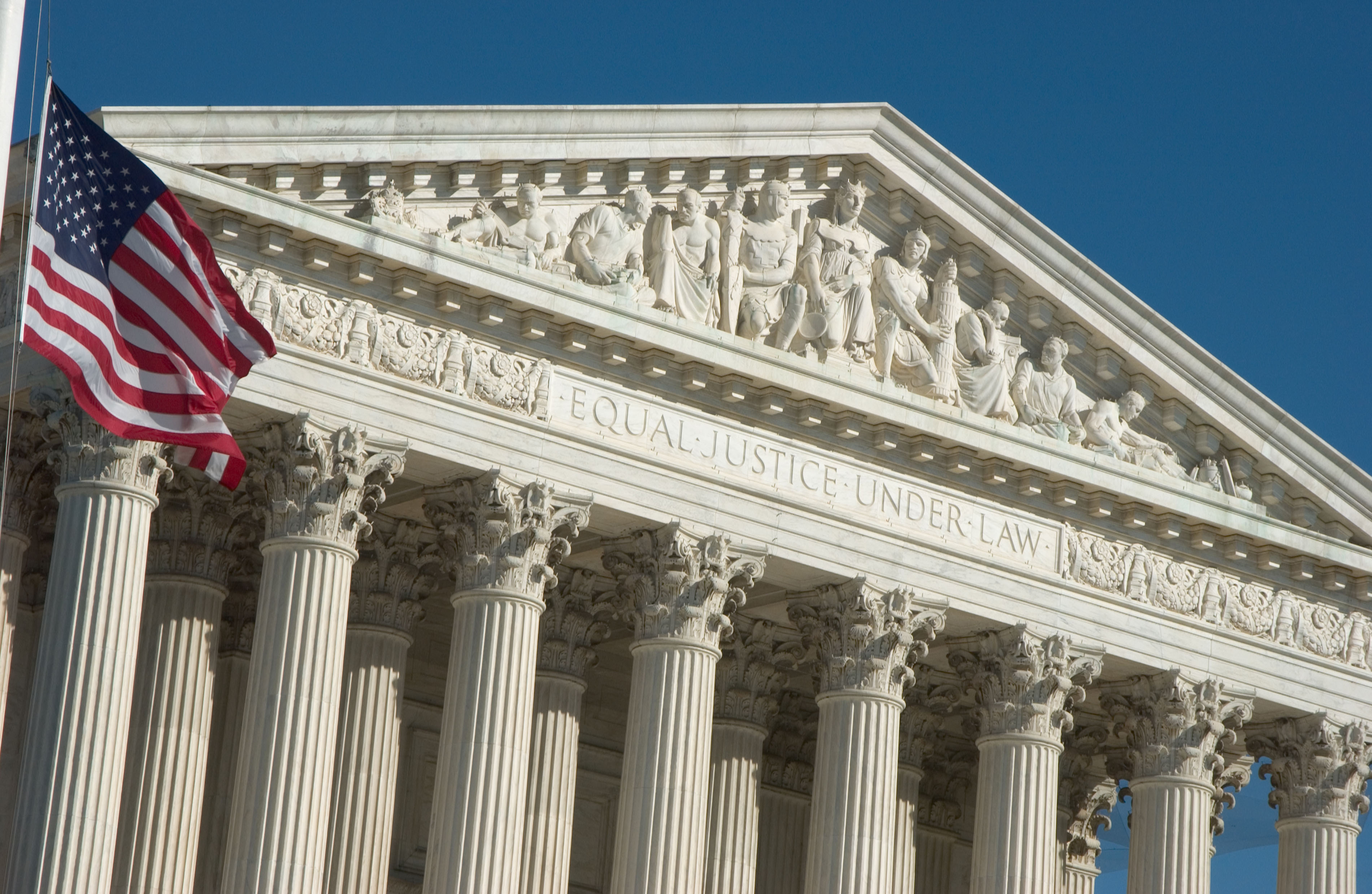 ‘Full Moon’ Costs Denied by Supreme Court in Oracle Copyright Case Posted on: March 14, 2019 In: Intellectual Property & Technology
On March 4, 2019, the Supreme Court issued a unanimous decision overturning the Ninth Circuit Court's award of $12.8 million in costs in the copyright infringement matter Rimini Street, Inc. et al v. Oracle USA, Inc. et al. Newly confirmed Justice Kavanaugh penned the opinion for the Court, holding that the Ninth Circuit's expanded view of "full costs" set forth in 28 U.S.C. §§ 1920 and 1821 was improper, going beyond the "costs" typically available to copyright litigants
Read more »
-
 FLSA Double Time Posted on: March 12, 2019 In: Labor & Employment
Last week, the Wage and Hour Division of the US Department Of Labor issued a 219-page Notice of Proposed Rulemaking (NPRM) and accompanying FAQs regarding the regulations defining who is a “white collar” overtime exempt employee.
Read more »
-
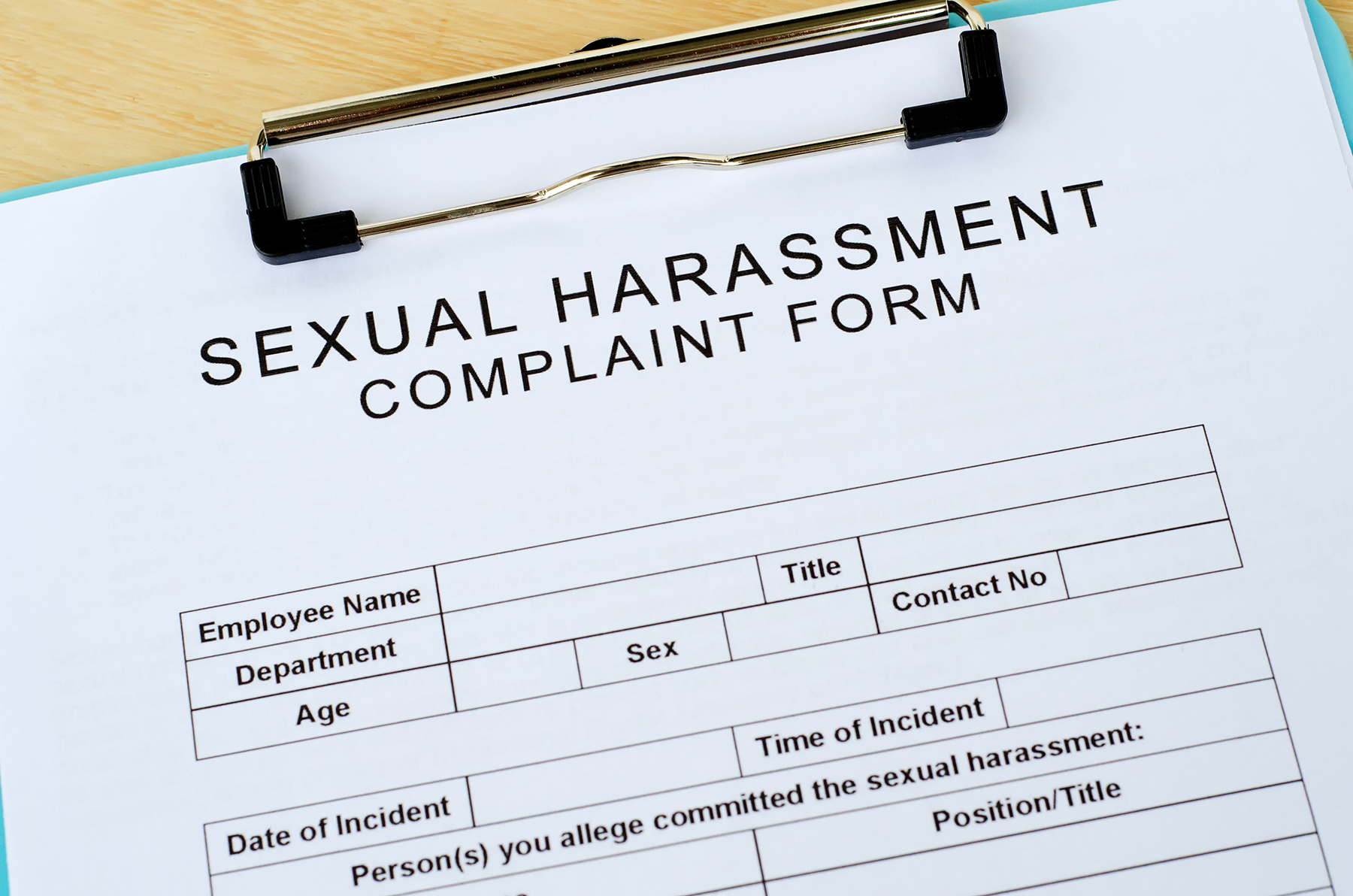 Settling Sexual Harassment Cases Post-‘Me Too’: Three New California Laws You Need to Know Posted on: March 11, 2019 In: Labor & Employment
The “Time’s Up” and “Me Too” movements have sparked societal change in many ways, including in our legal system. In response, the California Legislature quickly enacted several new laws aiming to deter the quieting of sexual harassment claims. Here are the three news laws employers should consider when resolving sexual harassment claims.
Read more »
-
 USPTO Supports “Counterintuitive” Interpretation of AIA in Amicus Brief to Fed Circuit Court of Appeals Posted on: March 07, 2019 In: Intellectual Property & Technology
Oral Arguments Scheduled for Next Week - In a curious legal scenario, the USPTO recently filed an amicus brief at the request of the Federal Circuit Court of Appeals, supporting a “counterintuitive” reading of the American Invents Act (AIA). This stems from an interesting argument made by Johnson & Johnson subsidiary company Janssen Oncology, Inc. regarding estoppel under the AIA.
Read more »
-
 Collect Call-in? Posted on: March 07, 2019 In: Labor & Employment
Many employers ask that their employees be “on-call.” This usually means the employee is required to make a quick call to check-in to see if they have to come in to work. Most employers assume they don’t have to pay wages for that call, but in California, that widely held belief may be changing.
Read more »
-
 Writ-sy Business: The First Steps to Take Before Challenging a Trial Court Order & Filing That Writ Posted on: March 05, 2019 In: Labor & Employment
You’ve obtained an unfavorable trial court order, but you have no right to appeal. If you are in California, you are likely not without some relief. While each jurisdiction has its own unique process and law, in California, you can use a procedural device called a writ.In this post, we address a few key considerations in pursuing a writ, with a focus on the usual process for writs in the Appellate Division of the California Superior Court.
Read more »
-
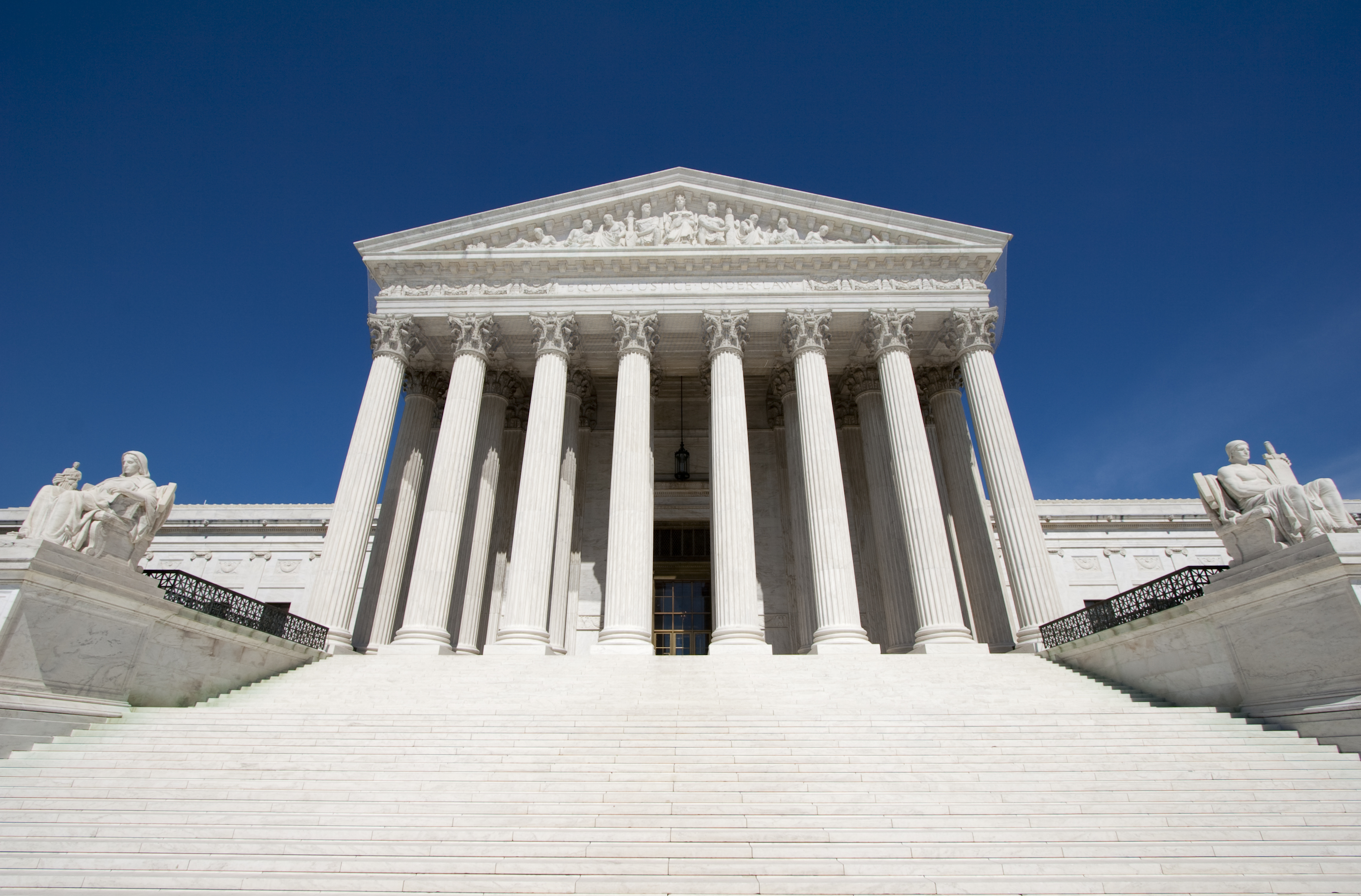 Supreme Court Concludes That Copyright Registration Is A Prerequisite To Filing Copyright Lawsuit Posted on: March 04, 2019 In: Intellectual Property & Technology
In a decision that did not surprise many, the United State Supreme Court held unanimously that indeed, the Copyright Act means what is says, namely, “no civil action for infringement of the copyright in any United State work shall be instituted until… registration of the copyright claim has been made in accordance with this title.”
Read more »
-
 Illinois Expands the Definition of “Injury” Under the Biometric Information Privacy Act Posted on: March 01, 2019 In: Data Privacy & Cybersecurity
A recent decision issued by the Supreme Court of Illinois seems to stand for the proposition that the risk of harm to an individual stemming from a violation of the Illinois Biometric Privacy Act is so great that an impacted individual need not establish actual harm or injury to bring a claim. Rather, according to the Supreme Court of Illinois, exposure to the risk of actual harm or injury, standing alone, is sufficient.
Read more »
-
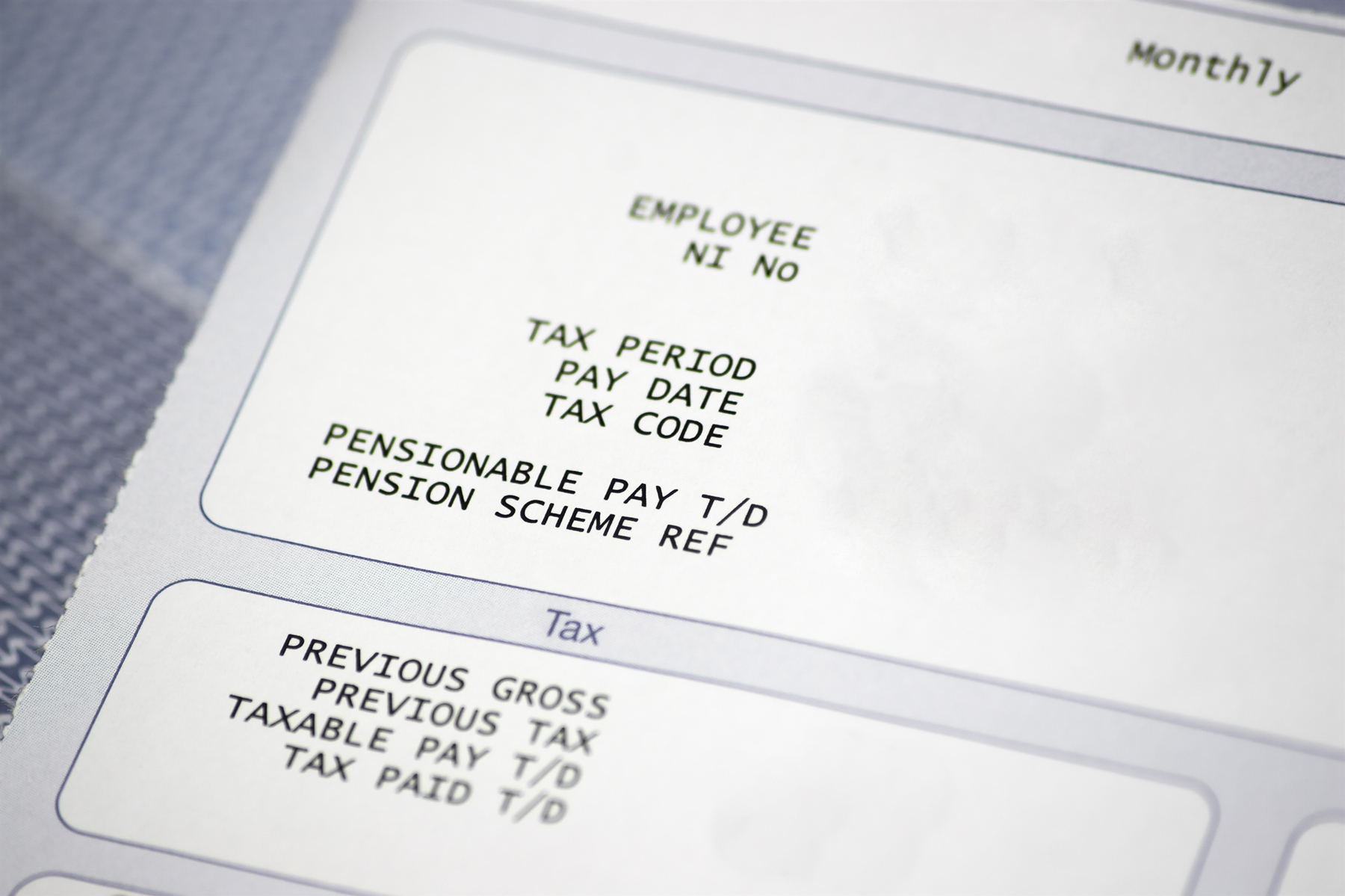 4 Tips to Get the Most Out of Your Payroll Company Posted on: February 28, 2019 In: Labor & Employment
Payroll companies are often an invaluable resource in operating your business, but they can also be a source of frustration or, in the worst case scenario, potential legal exposure. Having worked with clients to help resolve payroll issues or defend litigation relating to payroll processing, we have a few helpful tips to ensure that your business is getting the most out of your payroll company and securing compliance with applicable employment laws.
Read more »
-
 It’s a Bird, It’s a Plane, No… It’s Cryptojacking! Posted on: February 27, 2019 In: Data Privacy & Cybersecurity
You attempt to log on to your computer, but it is non-responsive. Other users are also having trouble logging on. The system becomes so slow that it is non-functional. Is it an encryption attack? Is there some sort of malware affecting the network that will result in some form of extortionate demand? Or is it something else? Could it be that someone has “cryptojacked” the network?
Read more »
-
 HIPAA Breach Reporting: Focus on Remediation in Responding to an HHS/OCR Investigation Posted on: February 25, 2019 In: Data Privacy & Cybersecurity
Last year was another banner year for HIPAA data breaches reported to the Department of Human Services Office of Civil Rights (HHS/OCR), and the reporting period hasn’t yet closed, as organizations experiencing breaches affecting fewer than 500 individuals have until 60 days after the end of the calendar year in which the breach occurred to make the report.
Read more »


Blog Search
Featured Posts
- February 10, 2023 Historic Hermès Jury Verdict Paves Way for Digital Trademark Rights
- January 13, 2023 Sports Law: A Year in Review & What to Watch for in 2023
- January 06, 2023 Federal Trade Commission Cracks Down on Non-Compete Agreements
- December 06, 2022 Just In Time: Last Minute Compliance Tips for the CPRA and VCDPA
Blog Categories
Blog Tags
9th circuit
ada
america invents act
arbitration
breach notification
california
ccpa
college
college sports
colorado
compensation
compliance
congress
consumer data
consumer notification
copyright
coronavirus
covid-19
cpra
cybersecurity
cyber threat
data breach
data privacy
data security
discrimination
dol
eeoc
employee handbook
employers
employment
employment agreements
employment law
equal pay
european union
executive order
family leave
fbi
fcra
federal circuit
florida
flsa
fmla
gdpr
hacking
healthcare
hipaa
hiring
human resources
identity theft
illinois
incident response
independent contractors
infringement
intellectual property
inter partes review
irs
labor law
legislative alert
litigation
malware
marijuana
massachusetts
medical leave
minimum wage
multi-factor identification
ncaa
new jersey
new york
nil
nlrb
non-competition
osha
overtime
paid leave
patent law
patents
payroll
personal data
personal information
phishing
privacy law
privacy protection patchwork
ptab
ransomware
reasonable accommodation
sexual harassment
sports
sports law
statute
student-athletes
student athletes
supreme court
title ix
title vii
trademark
trade secrets
virginia
wage and hour
washington
workplace safety